
How to Know When It Is Time to Repipe Your Home
Your home’s plumbing works quietly behind the walls, and most homeowners never think about it until something goes wrong. Pipes do not last forever, though, and every water system eventually reaches a point where repairs stop making financial sense. Repiping means replacing the old supply lines that carry fresh water throughout your house, and it stands as one of the smartest long term investments you can make in your property. Many people wait far too long because they simply do not recognize the early warning signs. A single pipe that fails behind drywall can cause thousands of dollars in water damage within just a few hours. Knowing the signals ahead of time lets you plan the project on your own schedule instead of reacting to a stressful emergency. This guide walks through the clearest signs that your home is ready for fresh piping. By the end, you will understand exactly what to watch for and when calling a licensed plumber becomes the right move.
Warning Signs That Tell You It Is Time to Repipe Your Home
The pipes inside your walls send signals long before they fail completely, and learning to read those signals protects both your home and your wallet. Most warning signs show up gradually, so they are easy to ignore or blame on something else. A slow drip here, a strange color there, and a drop in pressure can all point to aging supply lines that have reached the end of their service life. Paying attention to these clues helps you act early, while the work can still be scheduled calmly. The three signs below are the ones plumbers see most often when a home truly needs new pipes. Each one tells a slightly different part of the story about what is happening behind your walls. Together they paint a clear picture of a plumbing system that needs more than another patch.
Discolored Water Is a Clear Sign It Is Time to Repipe Your Home
Water that comes out brown, yellow, or reddish almost always points to corrosion happening inside your metal supply lines. As galvanized steel and older iron pipes age, the protective zinc coating wears away, and the bare metal underneath begins to rust from the inside out. That rust mixes with your water and shows up at the faucet, especially first thing in the morning after the water has been sitting still in the pipes overnight. You might notice it most when you run the hot water, since heat speeds up the corrosion process inside the lines. Some homeowners assume the problem comes from the city supply, but discoloration that clears up after a minute usually means the issue lives inside your own walls. Over time the rust builds up and flakes off, which can stain laundry, leave residue in tubs, and give your drinking water a metallic taste. When discolored water shows up regularly across several fixtures, it is one of the strongest signs that the time has come to repipe your home.
The color of the water can actually tell a trained plumber quite a bit about what is going on inside the system. Reddish brown water typically signals iron and rust from steel pipes that are decaying internally. Greenish or blue tinted staining often points to copper corrosion instead, which can also lead to pinhole leaks down the road. A cloudy or murky appearance sometimes comes from sediment that has broken loose from the inner pipe walls as they deteriorate. None of these issues fix themselves, and they tend to get worse as more of the pipe surface breaks down. Filtering the water at the tap might mask the color for a while, but it does nothing to stop the corrosion happening upstream. The only real solution for widespread discoloration is replacing the failing pipes entirely.
Beyond the appearance, discolored water raises real concerns about safety and daily comfort in your home. Rust particles can clog aerators, damage appliances like water heaters and dishwashers, and shorten the life of expensive fixtures. The sediment that travels through corroded lines also collects in your water heater tank, which reduces its efficiency and drives up energy bills. Families often grow uncomfortable cooking with or drinking water that looks and tastes off, and that worry is completely understandable. If you have noticed staining in your sinks, tubs, or laundry, a professional can test the water and inspect the lines to confirm the cause. Want a clear answer on hidden corrosion and leaks? Click here for our leak detection service. Catching the problem early gives you the chance to plan a full repipe before the situation turns into a costly failure.
Low Water Pressure Often Means It Is Time to Repipe Your Home
A steady, satisfying flow of water is something most people take for granted until it slowly disappears. When pressure drops across multiple faucets and showers at once, the cause frequently traces back to the supply pipes themselves rather than a single fixture. Inside aging galvanized lines, mineral deposits and corrosion build up along the interior walls and gradually narrow the path that water can travel through. Picture the inside of an old pipe shrinking from the diameter of a coin down to the width of a straw, and you can see why the flow weakens. This buildup happens so slowly that families adjust to it without even realizing how much pressure they have lost over the years. A weak shower, a slow filling tub, and faucets that trickle instead of run are all classic symptoms. When the pressure problem affects the whole house, it usually signals that the supply lines need replacement.
It helps to rule out the simple causes before assuming the worst about your pipes. A clogged aerator, a failing pressure regulator, or a partially closed main valve can each lower pressure in ways that are easy and cheap to fix. A licensed plumber will check those items first and measure the actual pressure coming into your home from the meter. When the readings are healthy at the meter but weak at the fixtures, the trouble almost certainly lies in the corroded or scaled lines between the two points. Replacing one short section rarely solves the issue, because the same buildup exists throughout the rest of the original piping. That is why plumbers often recommend a full repipe rather than chasing the problem one segment at a time. Addressing the whole system at once restores strong, consistent pressure to every tap in the house.
Low pressure does more than create a frustrating shower; it can signal damage that is quietly getting worse. Pipes that are this clogged are often weakened by the same corrosion that caused the restriction, which makes them far more likely to spring leaks. Restricted flow also puts extra strain on appliances and can leave your water heater struggling to deliver hot water at a usable rate. Living with poor pressure year after year wears on daily routines, from washing dishes to running the laundry. New supply lines, often made from durable PEX or copper, deliver full flow and remove the buildup that has been choking the system. If your pressure has faded over time and never seems to recover, it is a practical sign that your home is ready for new pipes. A professional inspection can confirm the cause and lay out your repiping options clearly.
Frequent Leaks Are a Strong Reason to Repipe Your Home
One leak can be bad luck, but a pattern of leaks is a message you should not ignore. When pipes start failing in more than one spot, it usually means the entire system has reached the same point of wear at roughly the same time. This makes sense, because the lines throughout your home were almost always installed together using the same material during the original build. As that material ages, corrosion and stress affect all of it, so fixing one leak often just buys a little time before the next one appears somewhere else. Homeowners who find themselves calling a plumber every few months for yet another repair are usually spending good money on a system that is past saving. Each patch addresses the symptom while the underlying problem keeps spreading. When leaks become a recurring event, repiping the home is almost always the more sensible and economical choice.
The most dangerous leaks are the ones you never see, and aging pipes produce plenty of those. Pinhole leaks in copper and slow seeps in old joints can hide inside walls, ceilings, and floors for weeks before any visible sign appears. By the time a water stain shows up on the drywall, moisture may have already fed mold growth or rotted the wood framing behind it. These hidden failures explain why frequent visible leaks should be taken so seriously, since they often signal many more weak spots you cannot see. A sudden spike in your water bill with no change in usage is another quiet clue that water is escaping somewhere in the system. Professional leak detection can pinpoint trouble areas without tearing open every wall. Catching the pattern early lets you replace the pipes before a hidden leak turns into a major repair.
Repeated leaks also carry real costs that go far beyond the plumber’s invoice for each fix. Water damage repairs, drywall replacement, flooring restoration, and mold remediation add up quickly and often dwarf the price of repiping in the first place. Insurance companies may even raise premiums or limit coverage on homes with a documented history of plumbing failures. There is also the stress of never quite trusting your own pipes, wondering when the next burst will happen and what it might ruin. Replacing the entire supply system ends that cycle and gives you peace of mind for decades to come. Dealing with a sudden pipe failure right now? Click here for our burst pipe repair service. Once the recurring leaks stop, most homeowners are relieved they finally addressed the root cause instead of patching forever.
How Pipe Material and Age Affect the Decision to Repipe Your Home
The material your pipes are made from tells you a great deal about how long they will last and when they are likely to fail. Homes built in different decades used different products, and some of those products have aged far better than others. Knowing what is inside your walls helps you predict problems before they start and plan replacement on your own terms. A house from the 1960s carries very different risks than one built in the 1990s, and an experienced plumber can usually identify the material on sight. Age matters just as much as the material itself, since every type of pipe has a realistic service life. When you understand both factors together, the decision to repipe becomes much clearer and far less guesswork. The sections below cover the materials and timelines that most often drive a full repipe.
Old Galvanized Steel Pipes Are a Top Reason to Repipe Your Home
Galvanized steel was the standard choice for water supply lines in homes built before the 1960s, and a great many of those pipes are still in service today. The steel was coated with a layer of zinc meant to protect it from rust, but that coating breaks down over several decades of constant water contact. Once the zinc wears away, the exposed steel corrodes rapidly from the inside, building up rust and scale that restrict flow and discolor the water. Most galvanized piping has a realistic lifespan of about 40 to 50 years, which means almost all of it has now exceeded its design life. The corrosion does not happen evenly, so a system can look fine in one spot and be nearly closed off in another. Plumbers frequently find galvanized lines so clogged that water can barely pass through them. If your home still has its original galvanized supply pipes, replacing them is usually a question of when rather than if.
Identifying galvanized pipe is fairly straightforward for a trained eye, and it often confirms what the water symptoms already suggested. The pipes appear dull gray and have threaded connections, and a magnet will stick to them because of the steel content. Tapping on them sometimes reveals how much buildup sits inside, since heavily scaled sections feel oddly solid. Where galvanized pipe connects to copper or brass, a chemical reaction called galvanic corrosion can speed up the decay at those joints. This is why so many leaks on old systems appear right at the fittings and transitions. A plumber can cut a small section to show you just how much the interior diameter has shrunk over the years. Seeing that buildup firsthand makes the case for repiping clear to most homeowners.
The good news is that replacing galvanized pipe delivers a dramatic and immediate improvement in your home’s water. Fresh copper or PEX lines restore full pressure, clear up discoloration, and remove the rust that has been collecting in your fixtures and appliances. The new materials resist corrosion far better and come with service lives that stretch for many decades. Homeowners almost always notice the difference at the very first shower, where the flow returns to what it should have been all along. Upgrading the supply lines also protects your water heater and other appliances from the sediment that old steel keeps shedding. Curious about a complete supply line upgrade for your home? Click here for our repiping service. Removing decades old galvanized pipe is one of the most worthwhile improvements an older home can receive.
Polybutylene Pipes Are a Common Reason to Repipe Your Home
Polybutylene was a gray plastic piping material used widely in homes built from the late 1970s through the mid 1990s, and it earned a troubled reputation. Builders liked it because it was cheap and easy to install, but it turned out to react poorly with the chlorine and other treatments found in normal municipal water. Over time the chemicals cause the pipe to flake and become brittle from the inside, which leads to sudden and often unpredictable failures. Many of these failures happen at the fittings, where the material weakens fastest under stress. Because the damage occurs inside the pipe wall, a polybutylene line can look perfectly fine right up until the moment it bursts. Insurance companies grew so wary of this material that some now decline coverage or charge more for homes that still contain it. If your house was built in that window and has gray plastic supply lines, replacement should be a serious priority.
Spotting polybutylene takes a little knowledge, since it can be mistaken for other plastic piping at a glance. The pipe is usually gray, though it sometimes appears blue or black, and it has a dull, flexible feel compared to rigid materials. It was commonly stamped with the code PB2110, which is a reliable way to confirm what you are looking at. The lines often run from the water main, through the walls, and to fixtures with crimped metal or plastic fittings at the connections. A licensed plumber can quickly verify the material during a routine inspection and check the most failure prone spots. Many homeowners do not even realize they have polybutylene until a leak or a home inspection brings it to light. Once it is confirmed, putting off the replacement only increases the risk of a damaging burst.
Replacing polybutylene removes a ticking liability from your home and replaces it with a system you can actually trust. Modern PEX piping shares the flexibility and easy installation that made polybutylene popular, but it does not break down when exposed to treated water. Copper remains an excellent option as well, prized for its long life and proven track record. The cost of a planned repipe is almost always far lower than the combined expense of repeated emergency repairs and the water damage that comes with them. Homeowners who replace polybutylene gain protection on their insurance and relief from the constant worry of an unexpected failure. The peace of mind that follows a complete repipe is something most people say they wish they had pursued sooner. When the pipe material itself is the problem, no amount of patching can make it safe.
Pipe Age and Lifespan Help You Decide to Repipe Your Home
Even high quality piping has a finite lifespan, so the age of your plumbing is one of the most reliable guides for planning a repipe. Copper supply lines, long considered a premium choice, typically last somewhere between 50 and 70 years under normal conditions. Galvanized steel, as noted earlier, tends to give out around 40 to 50 years as its zinc coating fails. Older brass piping can reach 40 to 70 years depending on its quality and the water it carries. Knowing roughly when your home was built and which material was used lets you estimate how much life your pipes have left. A house approaching or passing these milestones deserves a professional evaluation even if no problems have appeared yet. Planning ahead based on age beats waiting for a failure to force your hand.
Water quality and usage habits also influence how quickly pipes age in any given home. Hard water with high mineral content accelerates scale buildup, while acidic water speeds up corrosion in metal lines. Homes with very high water pressure put extra stress on every joint and fitting, which can shorten the effective life of the system. The number of people in the household and the daily demand on the plumbing both play a role as well. Two identical houses can age very differently based on these local conditions. This is why a plumber considers far more than just the calendar year when assessing your pipes. A thorough inspection weighs the material, the age, the water conditions, and the visible condition all together.
When pipes are nearing the end of their expected lifespan, repiping proactively is almost always smarter than waiting for the inevitable. A planned repipe lets you schedule the work at a convenient time, budget for it properly, and choose your materials without pressure. An emergency replacement after a major burst, by contrast, comes with water damage, rushed decisions, and far higher overall costs. Modern materials like PEX and copper will easily outlast the rest of your time in the home, making the investment a true one and done upgrade. Buyers also value a recently repiped home, so the work can add to your property’s appeal and value. Looking to learn more about the supply lines that bring water into your home? Click here for our water supply lines service. Treating pipe age as a planning tool rather than an afterthought puts you in control of the decision.
Why You Should Trust a Licensed Plumber to Repipe Your Home
Repiping is a major project that touches nearly every part of your home’s water system, so it deserves the hands of a trained and licensed professional. A proper repipe involves planning the routing, choosing the right materials, securing permits, and meeting local code requirements at every step. Done correctly, it solves your water problems for decades and protects the value of your home. Done poorly, it can create new leaks, fail inspection, and cost even more to correct. The right plumber brings the experience to do the job cleanly, efficiently, and with minimal disruption to your daily life. Below is what a quality repiping process looks like and why the right crew makes all the difference.
A Professional Inspection Before You Repipe Your Home
Every successful repipe begins with a careful inspection of your existing plumbing system. A licensed plumber examines the pipe material, traces the routing through your walls and floors, and identifies the spots most likely to fail. This assessment confirms that a full repipe is truly the right call rather than a smaller targeted repair. The plumber also checks your water pressure, looks for signs of past leaks, and notes any code issues that must be addressed. Taking the time to understand the whole system means there are no surprises once the work begins. A good inspection turns a big project into a clear and predictable plan.
During the inspection, the plumber will walk you through what was found and explain the options in plain terms. You will learn which material makes the most sense for your home, what the timeline looks like, and what the project will cost. This is also the moment to ask questions about access points, wall repairs, and how long your water will be shut off. A trustworthy plumber welcomes those questions and answers them honestly rather than rushing you toward a signature. Clear communication at this stage builds the confidence you need to move forward. Knowing exactly what to expect removes much of the stress that comes with a project of this size.
The inspection also gives you a written estimate that you can review and compare with confidence. A detailed quote breaks down the materials, labor, permits, and any restoration work so there are no hidden charges later. It protects both you and the plumber by setting clear expectations from the very start. With that document in hand, you can plan your budget and schedule without second guessing. A professional who provides a thorough estimate is showing respect for your home and your decision. That kind of honesty at the outset is a strong sign you have chosen the right company.
What to Expect During the Job to Repipe Your Home
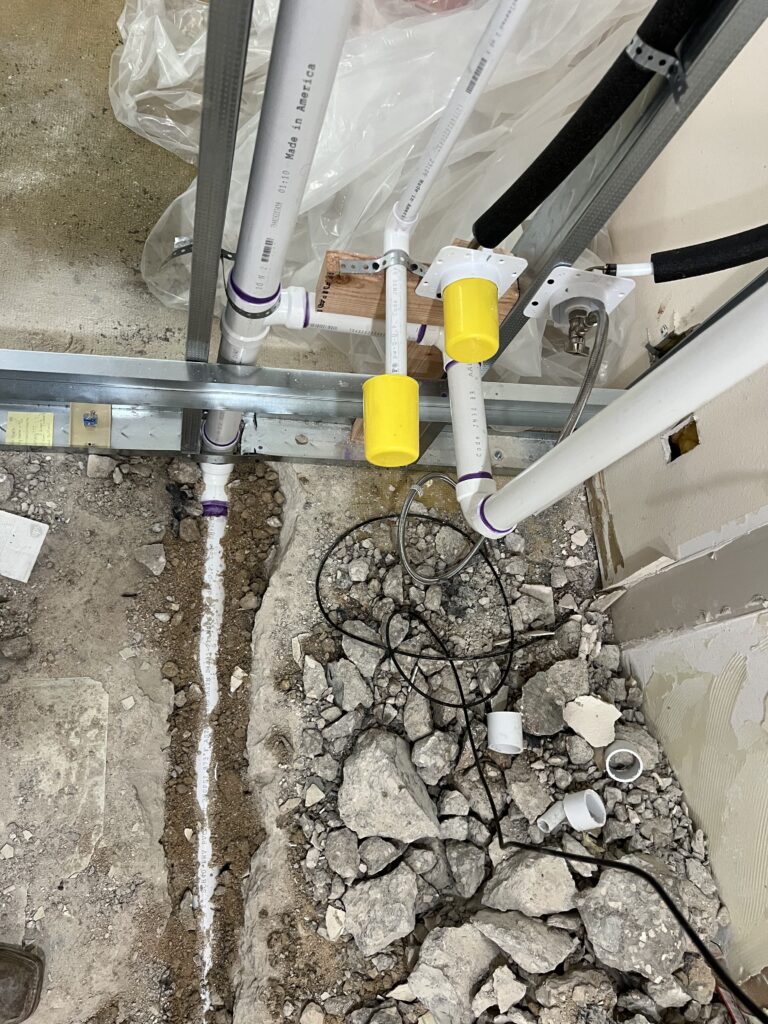
A well run repipe follows an organized sequence that keeps your home livable while the work is underway. The crew protects your floors and furnishings, opens controlled access points in the walls, and removes the old lines section by section. New piping is then routed and connected, often using durable PEX or copper that meets current code. Throughout the process, the team works to limit the time your water stays shut off so your household can keep functioning. Most whole home repipes finish within a few days, depending on the size and layout of the house. A skilled crew keeps the worksite clean and the disruption to a minimum.
Once the new pipes are in place, the system goes through pressure testing and a formal inspection before anything gets closed up. This step confirms that every joint holds and that the work meets local code requirements. Skipping it would risk hidden leaks behind freshly repaired walls, so a reputable plumber never rushes this part. After the system passes, the access points are patched and the work area is restored. Many companies handle the drywall repair themselves, while others coordinate with a trusted finisher. Clear communication about who handles the restoration keeps the project tidy from start to finish.
After the job is complete, you should notice the improvements right away in your everyday water use. Pressure returns to full strength, discoloration disappears, and the constant worry about leaks fades away. A good plumber will explain how to care for the new system and what kind of lifespan you can expect from it. Many also stand behind their work with a warranty that covers both the materials and the labor. That guarantee reflects real confidence in the quality of the installation. Walking through the finished project together is the perfect way to close out a job done right.
Why Choose BlackRock Plumbing Company to Repipe Your Home
BlackRock Plumbing Company brings honest service and real craftsmanship to every repiping project in the Princeton and McKinney area. We are licensed and insured, with ten years of hands on experience serving homeowners throughout our community within a 25 mile radius. Our team treats your home with respect, keeps the worksite clean, and explains every step so you always know what is happening. We believe integrity belongs at the core of the trade, which is why we recommend a full repipe only when it is truly the right choice. That commitment to doing right by our customers has earned us a reputation for reliable, five star service. When you call us, you reach people who genuinely care about protecting your home.
We understand that plumbing problems rarely wait for a convenient time, so we offer 24/7 emergency service when you need help fast. A burst pipe or sudden failure can happen at any hour, and our crew is ready to respond and limit the damage. For planned repipes, we work around your schedule and keep your water disruption as short as possible. Our pricing is upfront and detailed, so you never face surprise charges once the job is done. We back our work with quality materials and careful installation that meets local code. From the first inspection to the final walkthrough, we keep you informed and comfortable with the process.
Choosing the right company for a repipe protects one of the most important systems in your entire home. BlackRock Plumbing Company combines fair pricing, skilled workmanship, and a true dedication to customer care. We serve Princeton, McKinney, and the surrounding communities with the same honest approach on every single job. Ready to find out if your home needs new pipes? Click here for our repiping service, or call us at (469) 877-7798. Let our experienced team give you water you can trust and peace of mind that lasts for decades.