
Why Your Toilet Is Flushing Slowly and What It Means
A toilet that flushes slowly is one of the most common plumbing complaints in homes across Princeton and McKinney. The bowl empties at a sluggish pace, the water swirls weakly, and waste often lingers long after you press the handle. Many homeowners assume the problem will correct itself, yet a slow flush almost always points to something deeper inside the fixture or the drain. Sometimes the cause is simple, such as mineral deposits blocking the small holes under the rim. Other times the cause is serious, such as a partial clog forming in the main drain line beneath your home. North Texas sits in a hard water region, so mineral scale builds up faster here than it does in many other parts of the country. Recognizing the warning signs early helps you avoid a full backup later, and it protects the floors and subflooring around your toilet from water damage. This guide explains what a slow flush means, what triggers it, and when calling a licensed plumber becomes the smart move.
What Causes a Toilet to Flush Slowly in Your Home
Several issues can drag down the speed and power of a toilet flush, and most of them fall into three categories. The first category involves the toilet itself, including mineral buildup, a worn flapper, or a tank that does not hold enough water. The second category involves the drain, where a partial clog slows the path that water and waste need to travel. The third category involves the plumbing vent, a part many homeowners never think about, even though it controls the air pressure that helps a flush move freely. A slow flush rarely traces back to a single dramatic failure; instead, it tends to grow from small problems that compound over months. The good news is that a careful inspection usually reveals the exact source. Once a plumber identifies the cause, the repair is often straightforward. The sections below break down the three most frequent reasons a toilet starts flushing slowly.
Mineral Buildup Can Cause a Toilet to Flush Slowly
Mineral buildup is one of the leading reasons a toilet begins to flush slowly, especially in hard water areas like Princeton and the surrounding communities. Every toilet bowl has a ring of small openings hidden under the rim, and these openings are called rim jets. When you flush, water rushes out of these jets and creates the swirling action that scrubs the bowl and pushes waste down. Over time, calcium and magnesium from hard water collect inside these tiny holes and harden into scale. As the holes shrink, less water can pass through them, and the flush loses much of its force. A larger opening at the front base of the bowl, known as the siphon jet, can also clog with the same mineral deposits. When both the rim jets and the siphon jet are partially blocked, the flush weakens dramatically and the bowl empties slowly.
You can often spot this problem by looking closely at the underside of the rim with a small mirror and a flashlight. White or rust colored crust around the jet holes is a clear sign of scale buildup. A homeowner can sometimes clear light deposits with a stiff brush and a household descaling product, working the cleaner into each hole. Heavier buildup, however, requires patience, repeated cleaning, and sometimes a small tool to physically open each jet. In homes with very hard water, the scale returns again and again because the source of the minerals never goes away. This pattern frustrates many homeowners who clean the jets only to watch the flush slow down a few months later. A long term answer often involves treating the water itself rather than fighting the symptoms in every fixture.
If mineral buildup keeps returning, a whole home approach usually delivers better results than constant scrubbing. A water filtration system reduces the minerals that cause scale, which protects not only your toilets but also your faucets, water heater, and pipes. Treating the water slows the rate at which deposits form, so your flush stays strong for far longer between cleanings. Hard water damages plumbing fixtures across the entire house, so addressing it at the source saves money over the years. A licensed plumber can test your water hardness and recommend the right equipment for your home. For severe scale already locked inside the toilet, a professional cleaning or a new fixture may be the most practical path. Either way, dealing with mineral buildup early keeps a slow flush from turning into a constant headache.
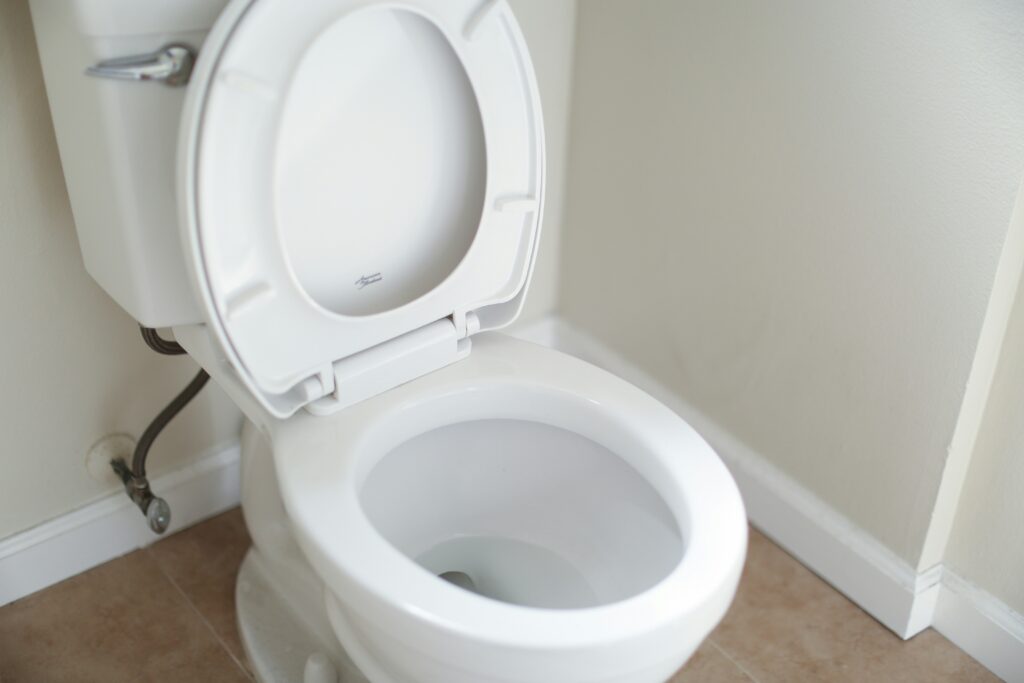
A Low Tank Water Level Can Cause a Toilet to Flush Slowly
A low tank water level is another frequent reason a toilet flushes slowly, and it often hides in plain sight. The tank stores the water that powers each flush, and the volume in that tank directly controls how forceful the flush becomes. When the water level sits too low, the toilet simply does not release enough water to clear the bowl in one strong pass. A proper water level should rest roughly one inch below the top of the overflow tube inside the tank. If the level falls well below that mark, the flush will feel weak and slow no matter how clean the bowl jets are. Several small parts inside the tank can cause this drop, and most of them are inexpensive to replace. Checking the water level only takes a moment, since you simply lift the lid and look at where the water sits.
The fill valve and the float work together to control how much water enters the tank after each flush. If the float is set too low, the fill valve shuts off early and leaves the tank short of water. A homeowner can usually adjust the float by turning a small screw or sliding a clip, depending on the design. The flapper at the bottom of the tank also plays a major role in flush strength. When the flapper closes too quickly, it cuts off the flow of water before the bowl receives a full flush. A worn or warped flapper that no longer seals properly will leak water out, which lowers the level and weakens performance. These parts wear down with age, so a toilet that flushed strongly for years can gradually slow as the components fatigue.
Replacing tank components is one of the more manageable plumbing repairs, yet it still calls for the right parts and a careful hand. A mismatched flapper or fill valve can create new problems, including running water, phantom flushes, or wasted water on your bill. If you adjust the float and the flush still drags, the issue may extend beyond the tank into the bowl or the drain. A professional can quickly determine whether the tank hardware is the true cause or only part of the picture. Our team handles these repairs every day and carries the correct parts for nearly every toilet model. Need a toilet that flushes the way it should? Click here for our toilet repair service. Getting the tank set up correctly restores a strong, fast flush and prevents wasted water for years to come.
A Hidden Clog Can Cause a Toilet to Flush Slowly
A hidden clog ranks among the most overlooked reasons a toilet flushes slowly, because the blockage often sits out of sight. Every toilet connects to a curved internal channel called the trap, and beyond the trap the waste travels through the drain line. A partial clog in either spot will let some water through while it slows the entire flush. This is different from a complete blockage, which stops the flush entirely and pushes water back up into the bowl. A partial clog can come from flushed wipes, excess toilet paper, or objects that should never enter a toilet. In homes with children, small toys and other items frequently lodge in the trap and create a slow drain. The flush may look almost normal at first, then gradually worsen as more material catches on the obstruction.
Tree roots are another common source of hidden clogs in older neighborhoods and homes with mature landscaping. Roots seek out the moisture inside sewer lines and work their way through tiny cracks or loose joints. Once inside, they grow into thick masses that snag waste and slow everything that passes through. A toilet that flushes slowly along with gurgling sounds or slow drains in nearby sinks often signals a problem deeper in the line. When several fixtures act up at the same time, the issue usually lives in the main drain rather than in any single toilet. A plunger or a simple auger may clear a clog inside the toilet itself, yet it will not reach a blockage farther down the pipe. Knowing the difference helps you decide when a quick fix will work and when the problem needs professional tools.
Clearing a deep clog safely requires equipment that most homeowners do not own and should not improvise. A professional drain machine or a hydro jetting system can remove buildup, roots, and debris without damaging the pipe. If you suspect a clog beyond the toilet, professional drain cleaning restores full flow and prevents a slow flush from becoming a backup. Repeated clogs in the same toilet often point to a recurring issue in the line that deserves a closer look. A camera inspection lets a plumber see exactly what blocks the pipe and where it sits. Identifying the precise location saves time and avoids unnecessary digging or guesswork. Removing a hidden clog correctly brings the flush back to full strength and keeps the whole drain system healthy.
What a Slow Flushing Toilet Means for Your Plumbing System
A slow flushing toilet is more than an annoyance, since it frequently signals trouble that reaches beyond the bathroom. The toilet connects to the same drain and vent network that serves your sinks, tubs, and laundry. When one fixture struggles, it sometimes reveals a problem that will eventually affect the others. A weak flush can mean a clog forming in the main line, a vent that no longer breathes properly, or a fixture that has simply reached the end of its useful life. Ignoring these signs allows small issues to grow into expensive repairs and messy backups. Paying attention to what a slow flush is telling you puts you ahead of the problem. The sections below explain the larger messages a sluggish toilet may be sending about your plumbing system.
A Slow Flushing Toilet Means Possible Drain Line Trouble
A slow flushing toilet often means trouble is building somewhere in the drain line that carries waste away from your home. The main drain handles everything that leaves your house, so a partial blockage there affects more than one fixture. You might notice that the toilet flushes slowly while a nearby tub or sink also drains at a crawl. This pattern strongly suggests the obstruction sits in a shared section of pipe rather than in the toilet alone. Grease, soap scum, hair, and flushed debris all collect on the inner walls of the drain over time. As the buildup thickens, the usable space inside the pipe narrows and water moves through it more slowly. A toilet, which depends on a fast rush of water, shows this slowdown more clearly than most other fixtures.
Gurgling sounds are a telling clue that the drain line is part of the problem. When water struggles to pass a blockage, it pulls air through the system and creates bubbling or gurgling noises in drains and toilets. You may also notice unpleasant odors rising from drains, which happens when waste sits in the line longer than it should. These symptoms tend to worsen gradually, so many homeowners adjust to them before recognizing the seriousness. A drain line problem rarely heals on its own and almost always grows over time. The earlier you act, the simpler and less expensive the repair tends to be. Waiting until the line fully blocks often turns a routine cleaning into an emergency call and a much bigger mess.
In severe cases, the drain trouble traces back to the sewer line itself, which lies underground between your home and the city main. Cracks, root intrusion, and collapsed sections in the sewer line all create slow drainage throughout the house. A toilet, sitting at the lowest point of indoor plumbing, frequently shows the first signs of a failing sewer line. A professional camera inspection reveals the exact condition of the pipe without the need for digging. If damage appears, prompt sewer line repair prevents raw sewage from backing up into your home. Addressing drain and sewer issues early protects your property, your health, and your budget. A slow flush, in this light, becomes an early warning worth heeding rather than a minor irritation to overlook.
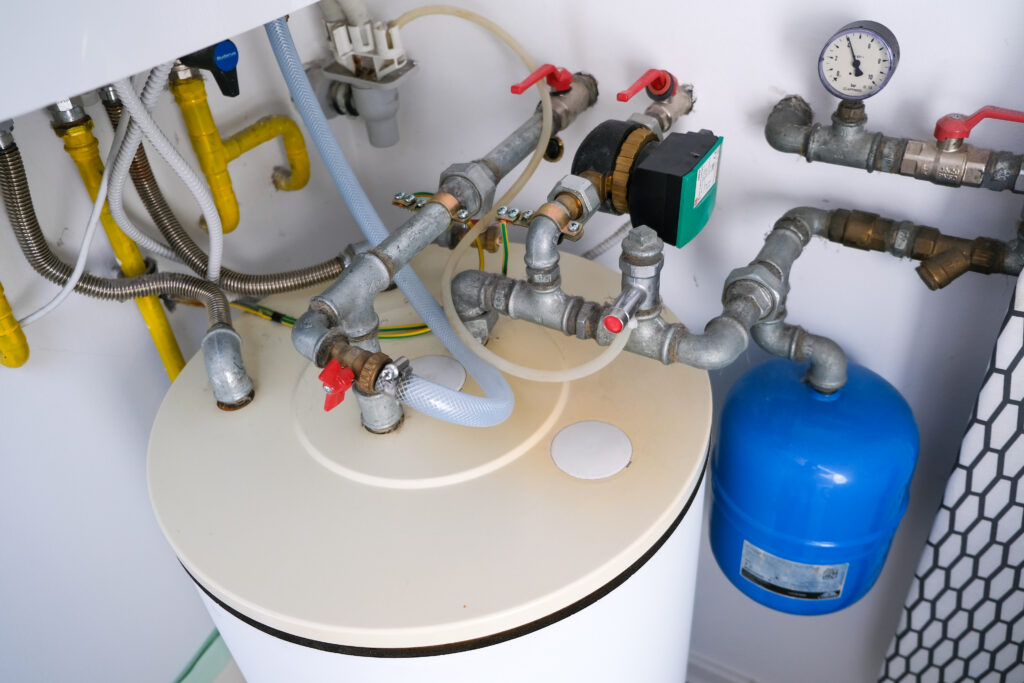
A Slow Flushing Toilet Means a Blocked Plumbing Vent
A slow flushing toilet sometimes means the plumbing vent is blocked, and this cause confuses many homeowners. Every drain system includes vent pipes that rise through the roof and let air into the plumbing. These vents balance the air pressure inside the pipes so water and waste flow smoothly. When you flush, the vent allows air to follow the water, which keeps the flush quick and forceful. If the vent becomes blocked, a vacuum forms inside the pipe and fights against the flow. That resistance slows the flush and can cause the bowl to drain in a halting, sluggish manner. A blocked vent affects the entire drain system, so its symptoms often appear in more than one fixture.
Vents become blocked for several reasons, many of them tied to the roof and the outdoor environment. Leaves, twigs, and other debris can fall into the open vent pipe and pile up over the seasons. Birds and small animals sometimes build nests inside the vent opening, which chokes off airflow completely. Frost and ice can narrow a vent in colder months, though that concern fades during the warm Texas summer. A telltale sign of a vent problem is a gurgling toilet paired with slow drains and lingering sewer odors indoors. When air cannot enter through the vent, the system pulls it from the nearest water trap instead, which can release gas into your home. These signs together point toward a vent issue rather than a simple clog in the bowl.
Clearing a blocked vent involves working on the roof and inside the vent stack, which is not a safe task for most homeowners. A plumber can inspect the vent opening, remove any debris or nests, and flush the pipe to confirm clear airflow. The work requires proper ladders, safety gear, and an understanding of how the vent ties into the rest of the system. Once the vent breathes freely again, the flush regains its speed and the gurgling noises stop. Vent problems can mimic other issues, so a trained eye saves you from chasing the wrong fix. A professional diagnosis sorts out a vent blockage from a drain clog quickly and accurately. Restoring proper venting brings your whole plumbing system back into balance and keeps every flush strong.
A Slow Flushing Toilet Means It May Be Time for Professional Repair
A slow flushing toilet often means the time has come to bring in a professional, especially when simple fixes fail. Many homeowners start by jiggling the handle, adjusting the float, or running a plunger through the bowl. These steps solve minor issues, yet they do nothing for deeper problems in the drain, the vent, or an aging fixture. When the flush stays slow after the easy attempts, the real cause usually sits beyond reach of household tools. Continuing to ignore the problem allows it to spread and grow more costly. A professional brings the right equipment, the experience to read the symptoms, and the knowledge to fix the true source. Recognizing this turning point saves you from wasted effort and repeated frustration.
An old toilet can also be the reason behind a stubbornly slow flush. Toilets manufactured decades ago, along with some early low flow models, were not always designed for strong, efficient flushing. Years of mineral buildup, worn parts, and outdated engineering combine to leave these fixtures struggling. At some point, repairing an old toilet again and again costs more than replacing it with a modern, efficient unit. Today’s high efficiency toilets flush powerfully while using far less water per flush. A plumber can advise you on when repair makes sense and when replacement is the wiser investment. This honest guidance helps you avoid pouring money into a fixture that has simply worn out.
Professional repair also protects your home from the hidden damage a slow flush can cause. Water that lingers or backs up can seep around the base of the toilet and rot the subfloor beneath it. A failing wax ring or a slow leak can encourage mold growth and weaken the bathroom floor over time. A plumber inspects the entire fixture, including the parts you cannot see, and catches these issues early. Addressing the flush problem and any related leaks at the same time prevents a chain of larger repairs. The peace of mind that comes from a properly working toilet is well worth a professional visit. When a slow flush refuses to improve, expert help is the dependable path back to normal.
Why You Need Professional Help for a Slow Flushing Toilet
A slow flushing toilet may seem like a small problem, yet it frequently hides a larger issue that calls for skilled attention. Homeowners can handle basic maintenance, but diagnosing the true cause often requires tools and training that most households lack. A professional plumber pinpoints the source quickly, fixes it correctly the first time, and prevents the problem from returning. The cost of expert help is almost always lower than the cost of a major backup or water damage repair. BlackRock Plumbing Company has served Princeton, McKinney, and the surrounding communities with honest, reliable work for years. The sections below explain how professional help solves a slow flush and why our team is the right choice.
Fast Solutions for a Slow Flushing Toilet
Fast solutions for a slow flushing toilet begin with an accurate diagnosis from a trained plumber. Our technicians inspect the bowl jets, the tank components, the trap, and the drain line in a logical order. This methodical approach finds the true cause instead of treating one symptom while missing another. Once we locate the problem, we carry the parts and tools needed to fix most issues during the same visit. A clear flush returns quickly, and you avoid the trial and error that drags on for days. We explain what we find in plain language so you understand the repair and its cost before we begin.
Speed matters most when a slow flush threatens to become a complete backup. A toilet that drains slowly today can stop draining tomorrow, leaving you without a working bathroom. Our 24/7 emergency service means help is available when you need it, including nights and weekends. A burst pipe, a sewage backup, or a fully blocked drain cannot wait until morning. Rapid response limits the mess and protects your floors, walls, and belongings from water damage. We arrive prepared to handle both the immediate emergency and the underlying cause.
Severe or recurring clogs sometimes call for stronger measures than a standard drain machine can deliver. Our hydro jetting service uses high pressure water to scour the inside of your pipes clean. This method removes grease, scale, roots, and debris that ordinary tools leave behind. A thoroughly cleaned line restores full flow and keeps slow flushing problems from coming back soon. Hydro jetting works especially well for homes with repeated clogs or older drain systems. After the cleaning, your toilet flushes with the strength it had when it was new.
Long Term Prevention for a Slow Flushing Toilet
Long term prevention for a slow flushing toilet starts with regular plumbing maintenance. A yearly inspection catches mineral buildup, worn tank parts, and early clogs before they slow your flush. Our technicians clean and check the fixtures that need it and flag any parts nearing the end of their life. This proactive care costs far less than emergency repairs and extends the life of your plumbing. Routine attention also gives you a clear picture of your home’s plumbing health. Small adjustments made early prevent the slow decline that leads to a sluggish toilet.
Water quality plays a large role in how often a toilet slows down in our area. Hard water deposits build up inside fixtures and pipes throughout North Texas homes. Treating the water reduces scale, which keeps bowl jets clear and flushes strong for longer. We test your water and recommend filtration or softening options suited to your household. Cleaner water protects toilets, faucets, water heaters, and every pipe in the house. A modest investment in water treatment pays off across the entire plumbing system.
Smart habits at home also go a long way toward preventing slow flushes. Flushing only toilet paper and waste keeps wipes, paper towels, and foreign objects out of the drain. Teaching children what belongs in the toilet prevents many of the clogs we see in family homes. Regular cleaning of the bowl jets removes scale before it hardens and chokes the flush. Watching for early signs, such as gurgling or weak swirling, lets you act before the problem grows. Combining good habits with professional maintenance keeps your toilet flushing fast year after year.
Why Choose BlackRock Plumbing Company for a Slow Flushing Toilet
BlackRock Plumbing Company brings honesty and integrity to every slow flushing toilet we repair. We built our reputation on clear communication, fair pricing, and work that lasts. Our team is licensed and insured, so you can trust that every job meets professional standards. We treat your home with respect and leave the work area clean when we finish. Our customers across Princeton and McKinney return to us because we do what we say we will do. That trust is the foundation of everything we offer.
Experience sets our work apart when a slow flush hides a complicated cause. With ten years of experience and 5 star service, we have seen and solved nearly every toilet problem a home can present. We carry the tools to diagnose mineral buildup, tank failures, drain clogs, and vent issues with confidence. Our technicians explain the problem and the solution so you never feel left in the dark. We focus on fixing the real cause rather than applying a quick patch that fails later. That depth of knowledge means your repair holds up over time.
When you need help, we are ready to respond across our entire service area within a 25 mile radius of Princeton. Our 24/7 emergency service means a slow flush or a sudden backup never has to wait. Call us at (469) 877-7798 and a friendly professional will help you schedule a visit. We serve McKinney, Frisco, Plano, Allen, Wylie, Prosper, and many nearby communities with the same care. Honest plumbing solutions with integrity at the core guide every job we take. Trust BlackRock Plumbing Company to get your toilet flushing strong again.