
What Causes Sewer Line Backups and How to Prevent Them
Sewer line backups rank among the most disruptive plumbing problems a homeowner can face in Princeton, TX. A blocked or damaged sewer line sends wastewater back into your home through drains, toilets, and tubs, creating health hazards and expensive property damage. Understanding the root causes of these backups helps you spot warning signs early and take action before raw sewage floods your living space. Late spring and early summer bring heavy rains to North Texas, which often expose hidden weaknesses in residential sewer systems. The shifting clay soils common throughout Collin County also place constant pressure on underground pipes, leading to cracks, offsets, and full collapses over time. This guide walks through the most common reasons sewer lines back up, the warning signs every homeowner should recognize, and the practical steps you can take to protect your plumbing system year-round.
What Causes Sewer Line Backups in Your Home
Sewer line backups happen when something blocks the flow of wastewater from your home to the municipal sewer main or septic system. The blockage can sit just a few feet from your foundation or hundreds of feet down the line near the street connection. Several factors contribute to these clogs, including tree root intrusion, pipe damage, grease buildup, and improper items flushed down toilets. Older homes built before the 1980s often have clay or cast iron sewer pipes, which break down faster than modern PVC systems. Knowing what causes sewer line backups gives you a clear path toward prevention and helps you choose the right repair when problems develop. Each cause leaves behind specific clues that a trained plumber can identify with a sewer camera inspection.
Tree Roots Are a Leading Cause of Sewer Line Backups
Tree roots cause more sewer line backups in Texas than almost any other single factor. Roots naturally grow toward water sources, and the small amount of moisture and nutrients leaking from a sewer pipe joint draws them in fast. Once a single root hair finds its way through a hairline crack or loose joint, it expands inside the pipe and forms a thick mat that catches toilet paper, grease, and debris. Live oak, pecan, and elm trees common throughout Princeton and McKinney send roots dozens of feet from the trunk, easily reaching sewer lines buried four to six feet underground. Homeowners often have no idea roots have invaded their pipe until water starts pooling around floor drains or backing up into bathtubs. The damage can take years to develop, which is why regular sewer inspections matter so much for properties with mature landscaping.
Cutting roots out with a mechanical auger provides short-term relief, but the roots grow back within months because the entry point in the pipe remains. Hydro jetting offers a more thorough cleaning by blasting water at high pressure to scour the pipe walls clean of root mass and accumulated debris. For severe root intrusion, the only permanent fix is pipe repair or replacement, which can involve traditional excavation or trenchless methods depending on the damage. Trenchless sewer line repair has become popular in newer subdivisions around Frisco and Prosper because it preserves driveways, sidewalks, and landscaping. A camera inspection always comes first so the plumber can pinpoint the exact location and severity of root damage. Without that visual confirmation, any repair plan amounts to guesswork.
Preventing root intrusion starts with smart landscaping decisions and regular maintenance. Avoid planting large trees within twenty feet of your sewer cleanout or known pipe path. If you already have trees near the line, schedule annual or biannual sewer cleaning to keep roots from gaining a foothold. Some homeowners use root-inhibiting foam treatments, which coat the inside of the pipe and discourage new growth without killing the tree above. Need professional help with stubborn roots in your sewer line? Click here for our sewer line repair service. Catching root problems early saves thousands of dollars compared to emergency excavation after a complete blockage.
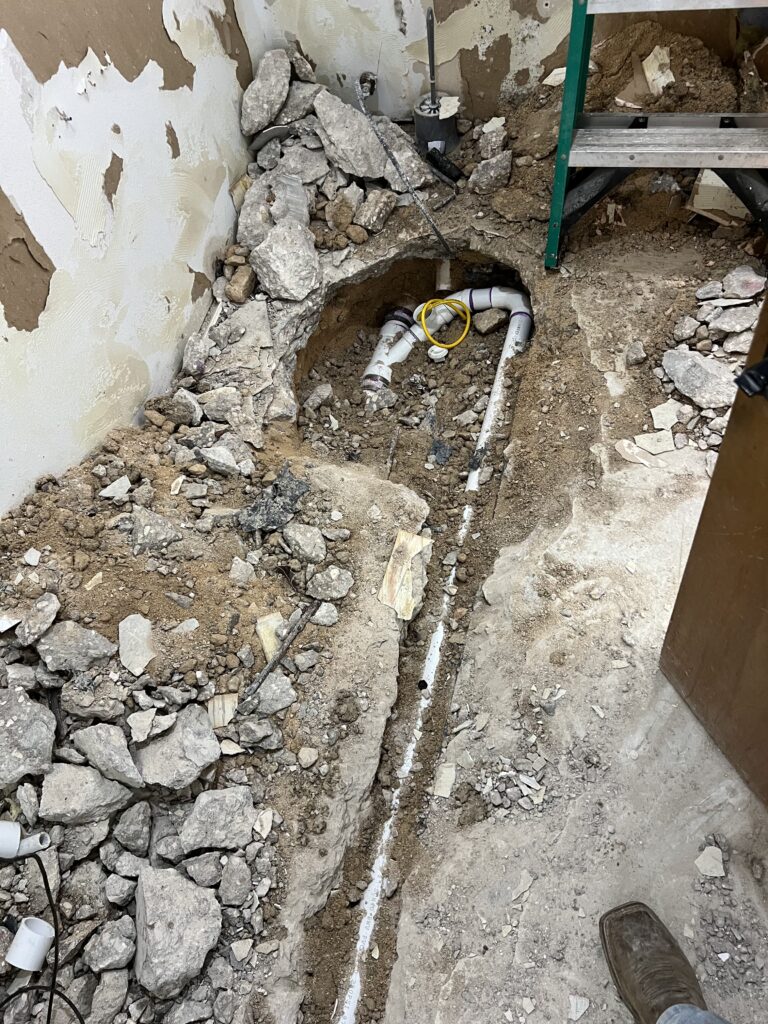
Grease and Debris Buildup Causes Sewer Line Backups Over Time
Grease, fat, and food waste poured down kitchen drains create some of the most stubborn sewer line backups you will ever encounter. Hot liquid grease seems harmless as it flows down the drain, but it cools quickly inside the pipe and hardens against the walls. Layer after layer builds up over months and years, narrowing the pipe diameter until water can barely pass through. Combine that grease with coffee grounds, eggshells, rice, pasta, and other food scraps, and you create a thick sludge that traps everything else flowing past it. This problem affects every home, but it hits older properties harder because their pipes already have rougher interior surfaces that grease clings to easily. Restaurants face this issue on a commercial scale, which is why grease traps are required by code for food service businesses.
Homeowners can prevent grease buildup with simple habits that take almost no effort. Wipe greasy pans with a paper towel before washing them, and pour cooled cooking oil into a sealed container for trash disposal rather than down the drain. Run hot water for thirty seconds after each kitchen sink use to help push food particles further down the line where they can dilute. Install a quality garbage disposal and use it correctly, feeding small amounts of soft food waste while running cold water continuously. Avoid putting fibrous vegetables like celery, corn husks, or potato peels through the disposal because the fibers wrap around the blades and form clogs downstream. A monthly flush with hot water and baking soda helps break down minor grease accumulation before it becomes a serious problem.
When grease buildup has already created a backup, professional drain cleaning becomes the only reliable solution. A standard drain snake might punch a hole through the clog, but it leaves most of the grease coating intact on the pipe walls. Hydro jetting uses water pressure between three thousand and four thousand PSI to strip every trace of grease, scale, and debris from inside the pipe. The result is a sewer line that flows like new and resists future clogs for much longer than mechanical cleaning alone provides. Looking for thorough cleaning that removes years of buildup? Click here for our hydro jetting service. Pair that deep cleaning with better kitchen habits, and your sewer line stays clear for years.
Pipe Damage and Soil Movement Cause Serious Sewer Line Backups
Underground pipes face constant stress from soil movement, temperature changes, and ground settling. North Texas sits on expansive clay soil that swells when wet and shrinks when dry, creating a cycle of pressure that flexes sewer pipes year after year. Older cast iron pipes corrode from the inside out, developing rough surfaces that catch debris and eventually crack or collapse entirely. Clay tile pipes, common in homes built before 1980, separate at the joints as the ground shifts, creating gaps where roots enter and soil washes in. PVC pipes hold up better than older materials, but improper installation, settling, or heavy equipment driving over the pipe path can still cause sags, breaks, and bellies in the line. A belly is a low spot where water pools and solids settle, eventually creating a chronic blockage that worsens over time.
Identifying pipe damage requires a sewer camera inspection because the damage hides several feet underground. A plumber feeds a waterproof camera attached to a flexible cable into your cleanout, then watches a monitor as the camera travels through the entire length of the line. The video reveals cracks, offsets, bellies, root intrusion, scale buildup, and foreign objects with clear precision. The plumber can also locate the exact depth and position of the problem using a transmitter on the camera head, which speeds up any repair work significantly. Camera inspections also help when buying an older home in McKinney, Allen, or Plano, because they reveal hidden problems that could cost tens of thousands of dollars to fix after closing. Many homeowners now request a sewer inspection alongside their standard home inspection for this reason.
Repair options range from spot fixes to full line replacement depending on the extent of damage. A single cracked section often responds well to a cured-in-place pipe lining, which creates a new pipe inside the old one without digging. Pipe bursting replaces an entire damaged line by pulling a new pipe through the old one while breaking the old material outward into the surrounding soil. Traditional excavation remains the right choice for severely collapsed pipes, deeply bellied sections, or situations where the existing line is too damaged for trenchless methods. A licensed plumber evaluates the camera footage and recommends the most cost-effective option for your specific situation. Catching pipe damage early through routine inspections means smaller repairs and less disruption to your yard and home.
How to Prevent Sewer Line Backups Before They Happen
Preventing sewer line backups costs far less than repairing the damage after wastewater floods your home. A single sewage cleanup job can run several thousand dollars before any pipe repair work even begins, and homeowners insurance often excludes coverage for gradual damage from neglected plumbing. Smart prevention combines daily habits, annual maintenance, and prompt response to early warning signs. Each step builds on the others to create a sewer system that flows reliably year after year. Texas homeowners especially benefit from a proactive approach because of the soil conditions and tree canopy that put extra stress on residential plumbing. The investment in prevention pays off every time you avoid an emergency call and the property damage that comes with it.
Daily Habits That Prevent Sewer Line Backups
Small daily choices add up to major protection for your sewer line over time. Never flush anything besides toilet paper and human waste, even if a product label claims to be flushable. So-called flushable wipes do not break down like toilet paper and create massive clogs in residential and municipal sewer systems across the country. Feminine hygiene products, paper towels, dental floss, cotton swabs, and cat litter all belong in the trash rather than the toilet. Teach children early what can and cannot be flushed, and keep a wastebasket in every bathroom to make the right choice easy. Guests often need reminders, so a small sign or note in guest bathrooms prevents unwelcome surprises.
Kitchen habits matter just as much as bathroom habits for sewer line health. Scrape plates thoroughly into the trash before rinsing, and use a sink strainer to catch food particles that get past your initial cleanup. Coffee grounds and eggshells seem small but accumulate quickly in pipe bends and traps, where they bind with grease to form solid plugs. Run cold water when using the garbage disposal because cold water keeps fats solid so the disposal can grind them into smaller pieces. Hot water melts grease and lets it travel further into the pipe before solidifying, which makes the eventual clog deeper and harder to clear. Limit disposal use to small amounts of soft food waste, and compost vegetable scraps when possible to reduce the load on your plumbing.
Bathroom and laundry habits also play a role in sewer line maintenance. Avoid pouring chemical drain cleaners down the line because the harsh chemicals damage pipe walls and rarely solve the underlying problem. Catch hair in shower drains with inexpensive screens or hair catchers, and clean them weekly to prevent buildup. Run washing machines on cooler settings when possible to reduce lint accumulation in drain lines. Spread out water-heavy activities throughout the day rather than running the dishwasher, washing machine, and multiple showers all at once, which overloads the sewer line and increases backup risk. These small adjustments cost nothing but extend the life of your entire plumbing system significantly.
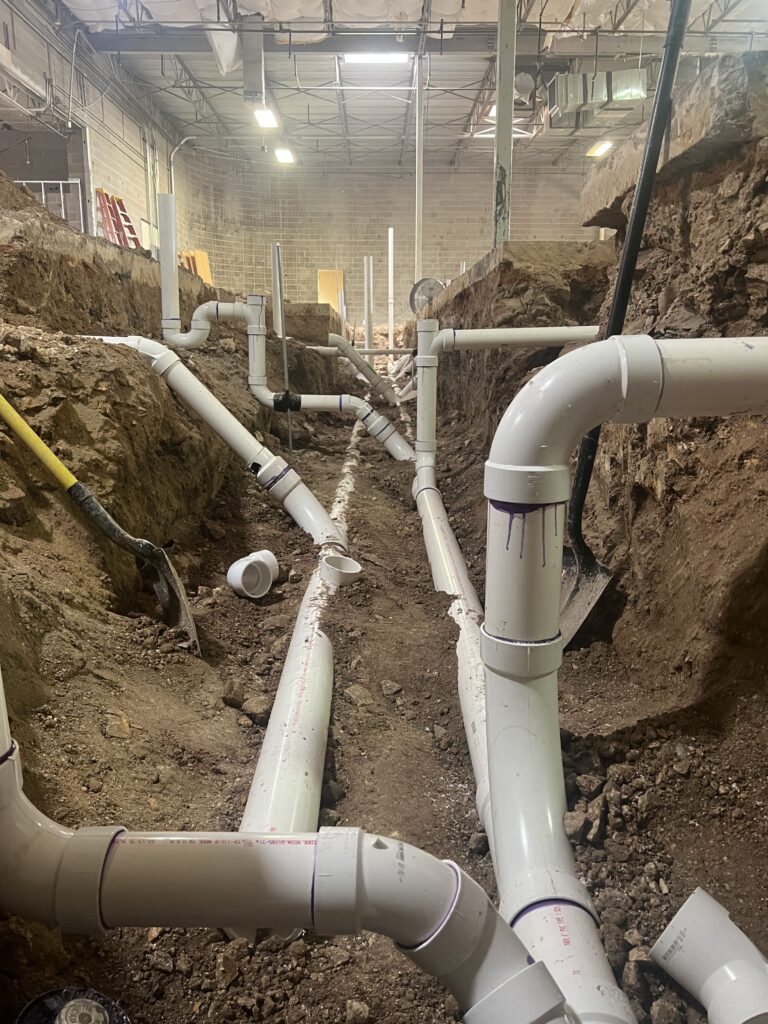
Annual Maintenance That Prevents Sewer Line Backups
Annual sewer line maintenance catches small problems before they grow into expensive emergencies. A professional sewer cleaning removes grease, scale, and minor root intrusion that builds up over the course of a year. The frequency depends on your home’s age, tree coverage, and household size, but most properties benefit from cleaning every twelve to eighteen months. Homes with mature trees near the sewer line path may need cleaning every six to nine months to stay ahead of root growth. A licensed plumber can recommend the right schedule after inspecting your specific system and reviewing your backup history. Spring and fall make ideal times for maintenance because the weather is mild and you can address issues before extreme weather puts extra stress on the system.
Sewer camera inspections should accompany cleaning every few years to monitor the overall condition of the pipe. The camera reveals developing problems like minor cracks, early-stage bellies, and small offsets that have not yet caused a backup. Documenting these issues over time helps you plan for eventual repairs rather than facing a sudden emergency. The inspection footage also serves as valuable evidence if you ever need to make an insurance claim or sell the home. A plumber experienced with North Texas soil conditions can interpret subtle warning signs that less knowledgeable contractors might miss. Pair the inspection with a thorough cleaning, and you get the most accurate picture of your sewer line’s true condition.
Consider installing a backwater valve if your home has experienced multiple backups or sits at a low elevation. A backwater valve allows wastewater to flow out of the home but automatically closes if water tries to flow back in from the sewer main. This protects your home during heavy rainstorms when municipal sewers can become overwhelmed and force sewage backward into residential connections. The valve installation requires excavation and a permit, but the protection it provides during severe weather is substantial. Ask your plumber about other preventive upgrades like cleanout access points, sewer line warranties, and pipe lining for older systems. Each upgrade adds another layer of protection against the high cost of sewer backup damage.
Warning Signs to Watch For That Prevent Major Sewer Line Backups
Recognizing early warning signs lets you call a plumber before a partial clog becomes a full backup. Multiple drains running slowly at the same time signal a problem in the main sewer line rather than an individual fixture. Gurgling sounds from toilets when you run a sink, shower, or washing machine indicate that air is trapped in the line because water cannot flow freely. Bad odors coming from drains, especially a sulfur or sewage smell, mean wastewater is not flowing away from the home as it should. Wet spots in the yard, unusually green patches of grass over the sewer line path, or sinking areas of soil all point to a leaking or broken sewer pipe underground. Sewage backing up into a basement floor drain, bathtub, or shower represents the most serious warning sign and demands immediate professional attention.
Toilets behave in telling ways when the sewer line starts to fail. Water levels that rise unusually high before draining slowly, bubbles appearing in the bowl when other fixtures run, and frequent unexplained clogs all suggest sewer line trouble rather than a simple toilet issue. Check the cleanout cap outside your home if you suspect a problem; standing water or visible debris near the cap means the main line is partially blocked. Never remove the cleanout cap when the line is fully backed up because pressurized sewage can spray out forcefully. Call a licensed plumber instead, who has the equipment and training to relieve the pressure safely. Acting on these signs within hours rather than days often makes the difference between a routine cleaning and an emergency cleanup.
Some warning signs appear seasonally and connect directly to weather patterns in North Texas. Heavy rains in April, May, and October can overwhelm sewer systems and reveal weaknesses in residential lines. Hot, dry summers cause clay soil to shrink and pull away from pipes, creating new cracks and offsets. Sudden temperature drops in winter cause similar movement in the opposite direction. Pay extra attention to drain performance during and after weather extremes, and schedule an inspection if anything seems off. Catching seasonal damage early prevents it from compounding into a major failure during the next weather event.
Why You Need Professional Sewer Line Service in Princeton TX
Professional sewer line service combines specialized equipment, training, and experience that homeowners simply cannot match with store-bought tools. A licensed plumber brings hydro jetters, sewer cameras, pipe locators, and the diagnostic skills to use each tool correctly. Attempting major sewer work without proper training risks personal injury, property damage, and code violations that complicate future home sales. The cost of professional service is small compared to the cost of mistakes, repeated repairs, or full system replacement after a botched DIY attempt. BlackRock Plumbing Company serves Princeton, McKinney, and the surrounding 25-mile radius with the experience and equipment to handle any sewer line issue you encounter.
Why You Need Professional Sewer Line Inspection Services
Sewer camera inspections require equipment that costs thousands of dollars and training that takes years to develop properly. A professional plumber knows how to navigate the camera through complex pipe configurations, including multiple cleanouts, vent stacks, and tight bends. The plumber also interprets what appears on the screen, distinguishing between harmless scale and serious structural damage. Without that experience, even a clear video can lead a homeowner to the wrong conclusion about repair urgency. Annual or biannual professional inspections create a documented history of your sewer line condition, which proves valuable for maintenance planning and home sales.
The inspection process also includes pipe locating, which tells you exactly where any problems sit beneath your yard. Knowing the depth and position of a damaged section guides the repair method and minimizes excavation when digging becomes necessary. Professionals mark the location with paint or flags so you can see the path of your sewer line above ground. This information helps with future landscaping decisions and prevents accidental pipe damage during yard projects. A homeowner armed with this knowledge makes smarter choices about everything from tree planting to deck construction.
Professional inspections often reveal problems that have no visible symptoms yet but will cause serious trouble within a few years. Early-stage bellies, hairline cracks, and minor root intrusion all show up clearly on camera long before they affect daily plumbing performance. Addressing these issues during routine maintenance costs a fraction of what emergency repairs would cost later. The peace of mind that comes from knowing your sewer line’s true condition cannot be overstated, especially for homeowners with older properties or significant tree coverage. Schedule an inspection today and stop wondering what is happening beneath your yard.
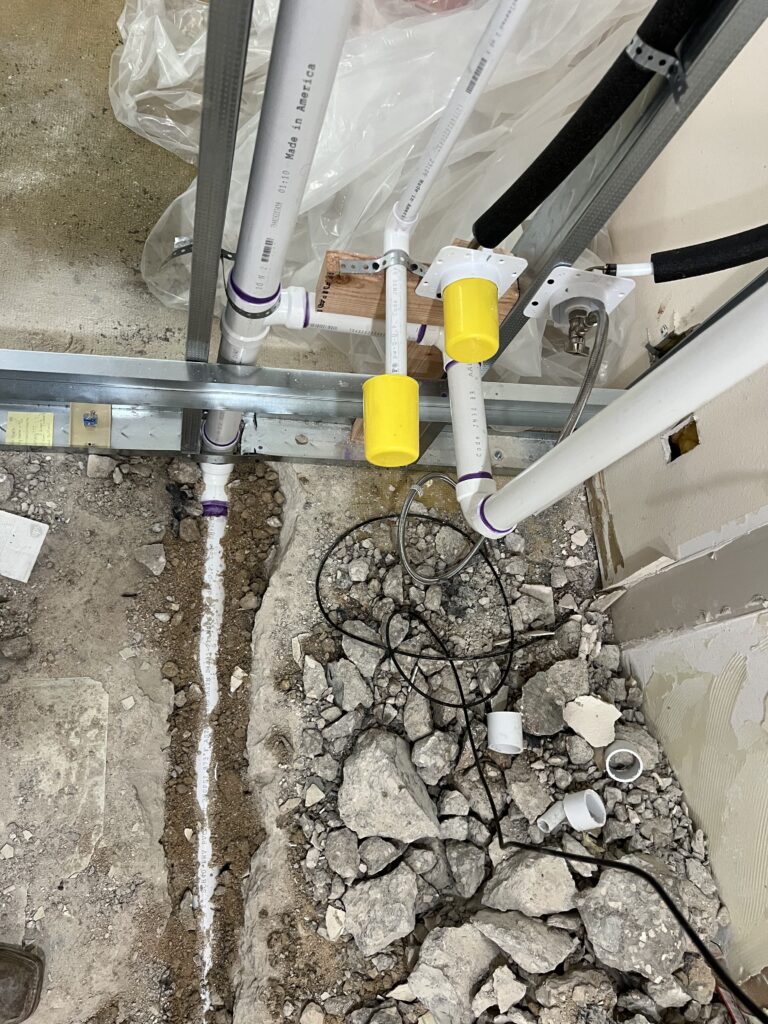
Why You Need Professional Sewer Line Repair Services
Sewer line repair involves working with raw sewage, deep excavation, and pressurized equipment, all of which present serious risks to untrained workers. Professional plumbers carry the licensing, insurance, and bonding that protect both the worker and the homeowner during repair work. They also pull the required permits and schedule the necessary inspections to keep your project in compliance with local codes. Skipping these steps to save money creates problems when selling the home or filing insurance claims after future damage. The cost of professional repair includes far more than just labor and parts; it includes the assurance that the work meets every applicable standard.
Modern repair techniques like trenchless pipe lining and pipe bursting require specialized equipment and certified training to perform correctly. These methods preserve your landscaping, driveway, and outdoor structures while completing repairs that traditional excavation would destroy. A qualified plumber evaluates whether your specific situation suits trenchless methods or requires conventional digging. Some pipes are too damaged, too shallow, or in positions that rule out trenchless options, and only an experienced plumber can make that call accurately. Choosing the right repair method the first time saves money and prevents the need for repeated work.
Long-term warranties on professional sewer line repairs give homeowners protection that DIY work simply cannot match. Licensed plumbers stand behind their materials and workmanship, often offering warranties of ten years or more on major repairs. This warranty coverage adds real value to your home and provides recourse if any problem develops with the repair. Working with an established local company also means easy access to follow-up service, emergency response, and consistent maintenance. Need expert help with a damaged sewer line? Click here for our sewer line repair service.
Why You Need BlackRock Plumbing Company for Sewer Line Service
BlackRock Plumbing Company brings ten years of plumbing experience to every job in Princeton, McKinney, and the surrounding communities within a 25-mile radius. Our team holds full licensing and insurance, and we approach every service call with honest plumbing solutions and integrity at the core. We use the latest sewer cameras, hydro jetters, and trenchless repair equipment to deliver results that last. Our 5-star reputation comes from straightforward pricing, clear communication, and quality workmanship on every project. We treat your home with the same care we would give our own, from protective floor coverings to thorough cleanup after every visit.
Our 24/7 emergency plumbing service means you never face a sewer backup alone, no matter what time the problem hits. We answer the phone, dispatch a qualified plumber quickly, and arrive with the equipment needed to diagnose and resolve the issue on the first visit. Sewer emergencies do not wait for business hours, and neither do we. Our trucks carry the parts and tools needed for most sewer line repairs, which means faster service and fewer return trips. We also handle drain cleaning, water heaters, leak detection, and every other plumbing need so you have one trusted company for the entire system.
We invite you to experience the difference that honest, professional plumbing service makes for your home. Call BlackRock Plumbing Company at (469) 877-7798 to schedule an inspection, request emergency service, or ask any plumbing question you have. We serve homeowners across Princeton, McKinney, Allen, Plano, Frisco, Prosper, Wylie, Sachse, Murphy, and every community within our 25-mile service area. Our commitment to reliable 5-star service shows in every job we complete and every customer we serve. Reach out today and find out why so many North Texas families trust BlackRock Plumbing Company with their sewer line care.