
Signs Your Sewer Line Needs an Inspection Before Summer Storms
Spring rain in Princeton, TX has a way of finding every weakness in your plumbing system, and summer storms push that stress even further. Heavy downpours saturate the soil around your sewer line, and any small crack or root intrusion quickly turns into a full blockage. Homeowners often miss the early warning signs until raw sewage backs up into a tub or floor drain. A sewer line inspection before storm season catches these problems while repairs are still affordable. BlackRock Plumbing Company helps homeowners across McKinney, Princeton, and the surrounding 25-mile service area spot trouble early. This guide walks through the warning signs, the inspection process, and why scheduling service now matters. Acting before the first major storm protects your home, your yard, and your wallet.
How to Spot Early Signs Your Sewer Line Needs an Inspection
Your sewer line gives off plenty of clues when something is wrong, and learning to read those clues saves thousands in repair costs. Gurgling toilets, slow drains, and foul odors rarely happen on their own; they usually point to a deeper issue in the main sewer line. Texas soil shifts with moisture changes, which stresses older clay and cast iron pipes every spring. Tree roots also seek out the steady water source inside a cracked sewer line. Catching these signs before summer storms arrive gives you time to plan a proper repair. The following sections break down the most common warning signs homeowners in our service area report.
Slow Drains Across the House Signal a Sewer Line Problem
One slow drain usually means a local clog in a sink or tub trap, and a plunger or a basic drain cleaning handles it. When every drain in the house slows down at once, the problem sits much deeper in the main sewer line. Water from the kitchen, bathroom, and laundry all feeds into the same main line before leaving the property. A partial blockage in that main line creates a bottleneck that affects every fixture at the same time. You might notice the shower draining slower while the washing machine runs, or the kitchen sink bubbling when you flush a toilet. These patterns point directly at the sewer line rather than an individual fixture. Ignoring the pattern allows the blockage to grow until a full backup occurs.
Roots are the most common cause of whole-house slow drains in North Texas homes. They enter through hairline cracks at pipe joints and grow into thick masses that catch toilet paper, grease, and debris. Older neighborhoods in McKinney, Plano, and Richardson often have clay sewer lines that crack as the soil expands and contracts. Once roots take hold, the blockage rebuilds itself within weeks even after a standard snaking. A camera inspection shows exactly where the roots enter and how much damage the pipe has already suffered. From there, a plumber can recommend hydro jetting, spot repair, or a full replacement. Early action keeps the repair small and the yard intact.
Grease and foreign objects also cause slow drains that point to sewer trouble. Grease poured down kitchen sinks cools and sticks to pipe walls, narrowing the line over time. Wipes, paper towels, and feminine products labeled as flushable rarely break down the way toilet paper does. These items snag on existing rough spots inside the pipe and start a clog that grows with every flush. A video camera inspection identifies the exact location and cause, which saves time during the repair. Need help with a slow-draining home? Click here for our drain cleaning service and schedule an inspection before storm season.
Sewer Line Odors and Soggy Yard Spots Need Immediate Inspection
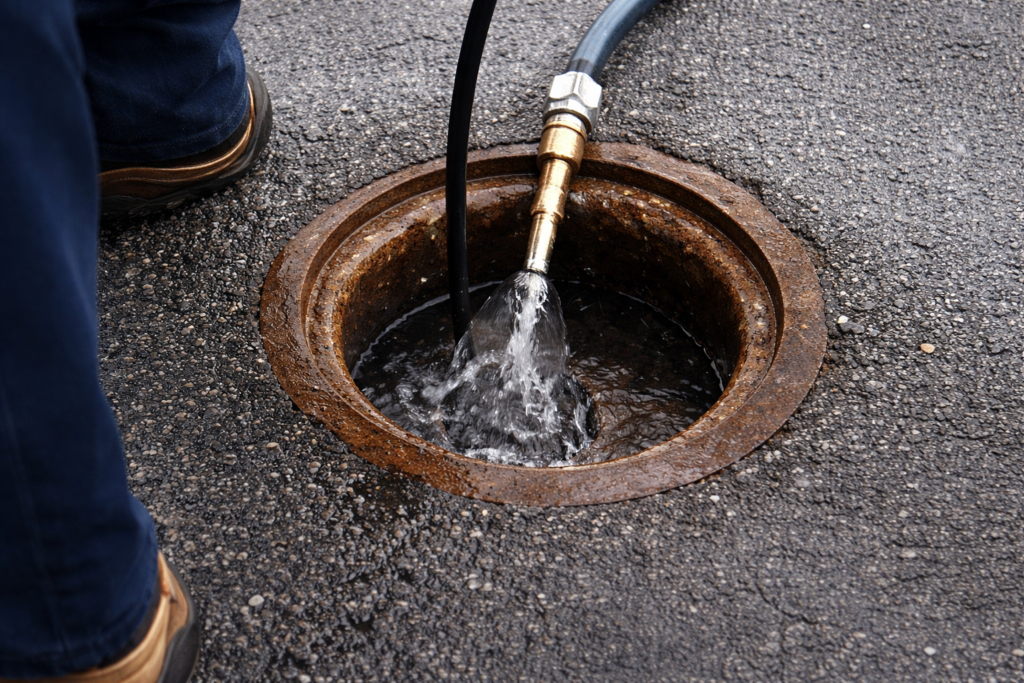
A healthy sewer line stays sealed from the first drain to the city main, so you should never smell sewage inside or around your home. When a rotten egg or sulfur smell shows up in a bathroom, laundry room, or yard, the line has a crack or a broken seal somewhere. Gases that should flow up through the roof vent are escaping through the soil or through a dry trap instead. The smell often gets stronger during humid weather or right before a storm, when air pressure changes push gases out of the pipe. Homeowners in Wylie, Murphy, and Sachse often notice the odor near flower beds or along the side yard where the line runs. Treating the smell as a warning rather than a nuisance prevents a much bigger problem.
Soft, soggy, or unusually green patches in the yard are another clear sign of a leaking sewer line. The escaping wastewater acts as fertilizer, so grass over a broken line often grows faster and greener than the rest of the lawn. You might see standing water that never fully dries even during a dry spell. In North Texas clay soil, the water spreads sideways rather than soaking straight down, which creates large soft zones around the break. Walking across the yard and feeling the ground give under your feet is a strong indicator of sewer line failure. A camera inspection confirms the location and the size of the break before any digging starts. That way, the repair crew opens only the section that needs attention.
Foundation issues can also follow a leaking sewer line if the problem goes unaddressed. Water escaping under a slab softens the soil and causes uneven settling, which leads to cracks in walls, sticking doors, and uneven floors. Summer storms make this worse by adding more water to an already saturated area. A sewer line inspection before storm season gives you a chance to repair the pipe before the foundation takes damage. Smelling sewage or seeing soft spots in the yard? Click here for our leak detection service and get a professional inspection scheduled today.
Frequent Backups and Gurgling Sounds Point to a Sewer Line Inspection
Repeated backups into tubs, showers, or floor drains are the clearest sign that the main sewer line needs an inspection. The lowest drain in the house acts as the relief point when the main line cannot handle the flow, which is why tubs and basement drains flood first. A single backup might come from a temporary clog, but two or three backups within a few months point to a structural problem. Homeowners often clear the line with a store-bought snake and assume the issue is fixed, only to see the backup return. Each repeat event damages flooring, baseboards, and drywall, and the cleanup cost adds up fast. A proper camera inspection finds the root cause so the repair solves the problem for good.
Gurgling sounds from toilets and drains also reveal sewer line trouble long before a full backup occurs. Air trapped in the line has to escape somewhere, and a partial blockage forces that air back up through the nearest fixture. You might hear a bubbling toilet when the washing machine drains, or a glug from the shower when someone flushes upstairs. These sounds mean the line cannot vent properly, which usually points to a blockage between the house and the city main. The sound tends to get worse as the blockage grows, and a summer storm often pushes the line past its breaking point. Scheduling an inspection at the first gurgle prevents a messy emergency call later.
Summer storms in Texas can push groundwater into a cracked sewer line through a process called inflow and infiltration. The extra water overwhelms the line and forces waste backward into the house through the lowest drain. Homes with older lines in Frisco, Allen, and Prosper are especially prone to this problem during heavy rain events. A pre-storm inspection identifies cracks, offsets, and root intrusions that let groundwater in. Repairing those weak points before the rain arrives keeps storm water out of the sewer line and out of your home. That single step prevents one of the most expensive and disruptive plumbing emergencies a homeowner can face.
What Happens During a Professional Sewer Line Inspection
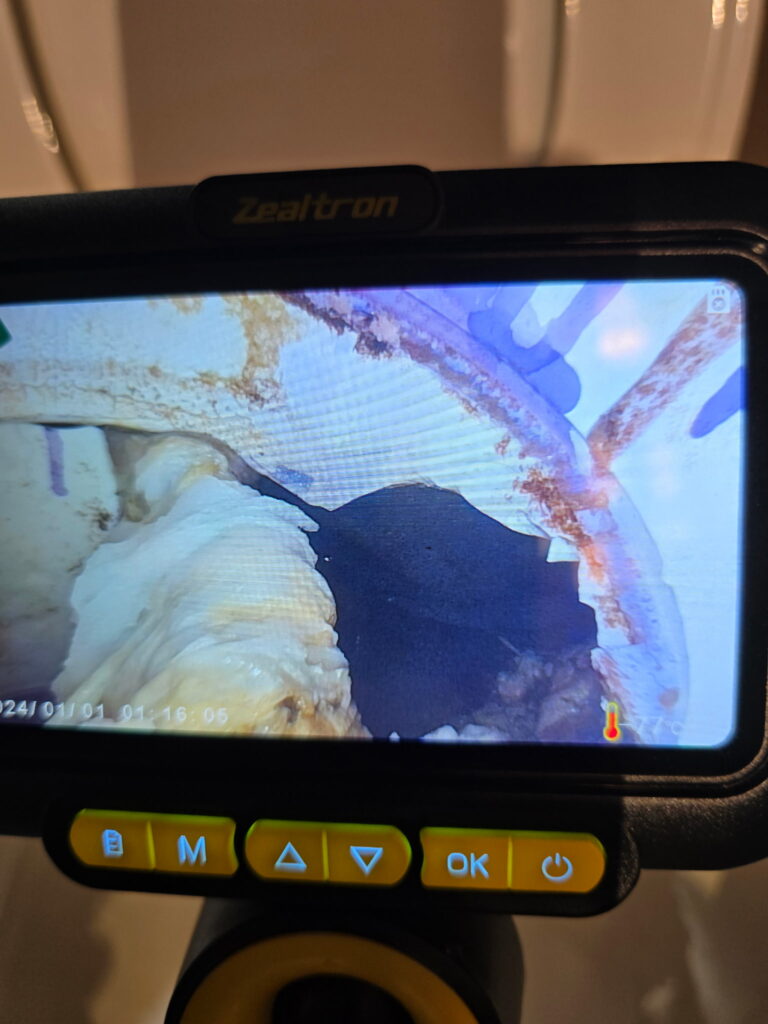
A professional sewer line inspection uses a waterproof camera on a flexible cable to look inside the pipe from the cleanout to the city main. The camera sends a live video feed to a monitor, and the plumber records the footage for review and documentation. This method shows the exact condition of the pipe without any digging, which saves the yard and speeds up the process. The inspection usually takes about an hour for a typical home in our service area. You get clear answers about the pipe material, the depth of the line, and any problems along the way. Understanding what happens during the inspection helps you prepare the home and ask the right questions.
The Sewer Line Inspection Camera Process Explained
The inspection starts at the main cleanout, which is usually a capped pipe near the foundation or in a front flower bed. The plumber removes the cap and feeds the camera head into the line, working slowly toward the street. A locator transmitter on the camera head lets the plumber mark the exact location and depth of any problem on the surface above. That mapping is critical because it tells the repair crew exactly where to dig if a spot repair is needed. The live feed also shows pipe material, joint condition, and the slope of the line. All of this information goes into a written report along with a copy of the video.
During the inspection, the plumber looks for specific problem types that commonly affect North Texas homes. Root intrusion shows up as white or brown strands hanging into the pipe, often at joints between pipe sections. Cracks, holes, and offset joints appear as dark shadows or visible gaps in the pipe wall. Bellied sections, where the pipe has sagged and holds standing water, show up as pools that block the camera from moving forward. Each problem gets a timestamp on the video so you can see the exact condition for yourself. This transparency is a core part of how BlackRock Plumbing Company operates.
The inspection also identifies the pipe material, which matters for planning any future repairs. Cast iron was common in homes built before 1980, clay was standard through the mid 1900s, and PVC appears in most homes built after that. Each material has its own failure pattern and repair method, so knowing the type guides the recommendation. Some older homes in McKinney and Plano even have a mix of materials where past repairs joined new PVC to old clay or cast iron. Those transition joints are common failure points and often show up during the inspection. A clear material map now prevents surprises during any future repiping or spot repair.
Common Sewer Line Problems a Camera Inspection Finds
Tree root intrusion is by far the most common problem found during sewer line inspections in our service area. The mature live oaks, pecans, and crepe myrtles that shade many Princeton and McKinney neighborhoods have aggressive root systems that seek out water. Even a pinhole leak at a pipe joint gives roots enough moisture to start growing inside the line. Once inside, the roots form a net that catches waste and creates backups. A camera inspection shows the extent of the intrusion and whether hydro jetting can clear it or if the pipe needs replacement. Catching the problem early often means a simple cleaning rather than a dig.
Pipe bellies and offset joints are the next most common findings, especially in homes built on expansive clay soil. When the soil shifts with moisture changes, the pipe can sag in the middle or pull apart at a joint. A belly collects water and waste, which leads to frequent clogs and eventual pipe failure. An offset joint creates a step inside the pipe that catches debris and slows the flow. Both problems require excavation to fix properly, but the inspection tells you exactly how long a section needs to be replaced. That precision keeps the repair cost as low as possible.
Cracks, holes, and corrosion appear often in older cast iron and clay lines throughout the area. Cast iron rusts from the inside out and eventually develops channels along the bottom of the pipe where waste flows. Clay pipes crack along the length and split at the joints when soil pressure changes. Both conditions let groundwater in during storms and let wastewater out into the soil year round. A camera inspection grades the severity of each problem so you can plan repairs by priority. Want to see what hydro jetting can do for a root-filled line? Click here for our hydro jetting service and ask about pairing it with a camera inspection.
Sewer Line Inspection Reports and What They Mean for Repairs
After the inspection, you receive a written report along with a copy of the video footage. The report lists each finding with a timestamp, a description, and a location measured from the cleanout. Photos of key problem areas often accompany the report so you can see the damage clearly. This documentation is useful for insurance claims, home sales, and planning future work. Real estate buyers in our service area increasingly request a sewer scope as part of the inspection process, and the report serves that purpose directly. Keeping a copy of the report helps track the line’s condition over time.
The report also includes repair recommendations based on what the camera found. Options usually range from hydro jetting and root treatment for minor issues to spot repair for a single break to full line replacement for widespread damage. Trenchless options like pipe bursting and cured-in-place pipe lining may also be available depending on the pipe condition. Each option comes with a clear explanation of the work involved, the expected lifespan, and the cost range. You get the information needed to make a confident decision rather than a pressured sales pitch. That approach matches the integrity BlackRock Plumbing Company brings to every job.
Timing matters when planning a sewer line repair before summer storms. Minor issues found now can often wait a season with a simple cleaning, while major problems need attention right away. The report helps you sort the urgent work from the scheduled work so the budget stays manageable. Scheduling the repair before storm season avoids emergency rates and weather delays. It also keeps the ground around the line dry, which makes excavation faster and cleaner. A clear report turns a stressful unknown into a simple plan you can act on.
Why You Need a Sewer Line Inspection Before Summer Storms
Summer storms in North Texas bring intense rainfall in short periods, and that water has to go somewhere. A compromised sewer line becomes a direct path for storm water and soil into your home. Scheduling an inspection now prevents the most common storm season emergencies and protects the value of your property. BlackRock Plumbing Company offers honest, thorough inspections across Princeton, McKinney, and every community in the 25-mile service area. The next sections explain the specific reasons to schedule before the weather turns.
Storm Damage Prevention Starts with a Sewer Line Inspection
Saturated soil puts extra pressure on every section of a buried sewer line. Clay soil in particular swells when wet, which squeezes older clay and cast iron pipes until they crack or shift at the joints. A line that was holding up fine in dry weather can fail within hours of a heavy storm. An inspection before the rainy season finds the weak points so they can be reinforced or replaced in advance. That proactive work is always cheaper than an emergency repair during a flood. It also keeps your family out of the mess and stress of a sewer backup.
Storm water also enters cracked sewer lines and overwhelms the home’s drainage capacity. When too much water hits the line at once, it backs up into the lowest drain in the house, usually a tub, shower, or floor drain. Cleaning up a sewer backup is expensive and hazardous, often requiring professional remediation. Insurance policies vary on what they cover, and many exclude damage from sewer backups unless a specific rider is in place. A pre-storm inspection gives you the chance to seal cracks and prevent the backup entirely. That single step saves money and protects your family’s health.
Storms can also expose existing yard problems caused by a leaking sewer line. Soft spots grow larger, sinkholes appear, and landscaping suffers as water erodes the soil around the pipe. Fixing the line before the storms arrive lets the repair area settle and the grass recover before the rain. It also prevents the costly landscape repairs that follow a storm-driven emergency dig. Planning the work on your schedule beats reacting to a failure in the middle of a thunderstorm. The difference shows in both the final bill and the condition of the property.
Cost Savings Make a Sewer Line Inspection a Smart Spring Choice
A routine sewer line inspection costs far less than any repair it might prevent. Finding a small root intrusion and clearing it with hydro jetting is a fraction of the cost of digging up a collapsed pipe. Catching a small crack before it becomes a full break keeps the repair local rather than a full line replacement. These savings add up quickly for homes with older plumbing systems. Treating the inspection as routine maintenance rather than a reaction to a problem is the financially smart choice. It also spreads plumbing costs over time rather than concentrating them in an emergency.
Emergency service during storm season costs more than scheduled work for good reasons. Crews work longer hours, conditions are harder, and demand spikes as multiple homes in the area need help at the same time. Scheduling an inspection in the spring locks in standard pricing and gives you first pick of appointment times. It also avoids the hotel stays and temporary housing that sometimes follow a major sewer backup. The math favors the homeowner who plans ahead every time. A small investment now prevents a large, stressful bill later.
Home value also benefits from a documented sewer line inspection. Buyers and real estate agents in Frisco, Prosper, and McKinney increasingly ask for sewer scope reports during the sale process. Having a recent report ready speeds up the transaction and supports the asking price. It also prevents last-minute surprises that can delay or kill a deal. Even homeowners with no plans to sell benefit from the peace of mind a clean report brings. Need a sewer line check before the rain? Click here for our sewer line repair service and schedule an inspection today.
Why Choose BlackRock Plumbing Company for Your Sewer Line Inspection
BlackRock Plumbing Company has served Princeton, McKinney, and the surrounding communities for over ten years with honest plumbing solutions. Our team is licensed, insured, and trained on the latest camera inspection equipment. Every inspection includes a clear video, a written report, and a straightforward explanation of what we found. There are no pressure tactics and no hidden fees, only the information you need to make a good decision. That commitment to integrity is the reason so many of our customers come back for future service.
Our service area covers a 25-mile radius that includes Allen, Plano, Richardson, Wylie, Sachse, Murphy, Lucas, Anna, Melissa, Van Alstyne, Prosper, Frisco, Lavon, Farmersville, Caddo Mills, New Hope, and Lowry Crossing. A local team means faster response times and a deep understanding of the soil conditions and pipe materials common in each neighborhood. We know which areas have older clay lines, which have expansive soil issues, and how storm patterns affect local drainage. That local knowledge translates into better recommendations and more durable repairs. You get the benefit of experience that matches your specific location.
Emergency service is available 24 hours a day, seven days a week, for times when a problem cannot wait. Our technicians arrive in stocked trucks and handle most repairs in a single visit. The five-star reviews from homeowners across the service area reflect our commitment to doing the job right the first time. Call BlackRock Plumbing Company at (469) 877-7798 to schedule a sewer line inspection before summer storms arrive. A short appointment now protects your home, your yard, and your peace of mind for the entire storm season.