
How to Prevent Clogged Drains in Your Kitchen and Bathroom
Few plumbing problems are as persistently aggravating as a clogged drain. One day water is flowing freely, and the next you’re standing in a puddle at the bottom of your shower or watching the kitchen sink drain at a pace that tests your patience. The frustrating part is that most clogs don’t happen suddenly; they build up slowly over weeks and months until the accumulation finally becomes too much for the pipe to handle. By that point, the DIY fixes don’t always cut it, and you’re left calling a plumber for something that could have been avoided entirely.
For homeowners in Princeton, TX, clogged drains are one of the most common reasons for a service call. The good news is that with a little awareness and some simple habits built into your daily routine, the vast majority of drain clogs are completely preventable. Understanding what causes clogs in the first place, and making a few intentional changes to how you use your kitchen and bathroom, can save you significant time, money, and hassle over the long run.
Understanding What Actually Causes Drain Clogs
Before you can effectively prevent clogs, it helps to understand what’s actually causing them. In the kitchen, the biggest culprits are fats, oils, and grease, collectively known as FOG in the plumbing world. When you pour bacon grease or cooking oil down the drain, it may go down as a liquid, but as it cools inside your pipes, it solidifies and sticks to the pipe walls. Over time, that layer of grease gets thicker and catches other debris passing through, creating a blockage that grows denser with every passing week.
Food particles are another major contributor to kitchen clogs. Even small bits of food that seem harmless can accumulate in your pipes or in the P-trap beneath the sink. Starchy foods like rice and pasta are particularly problematic because they swell when they absorb water, creating a sticky, dense mass inside the pipe. Coffee grounds, which many people assume are fine to rinse down the drain, are actually notorious for clumping together and contributing to stubborn clogs.

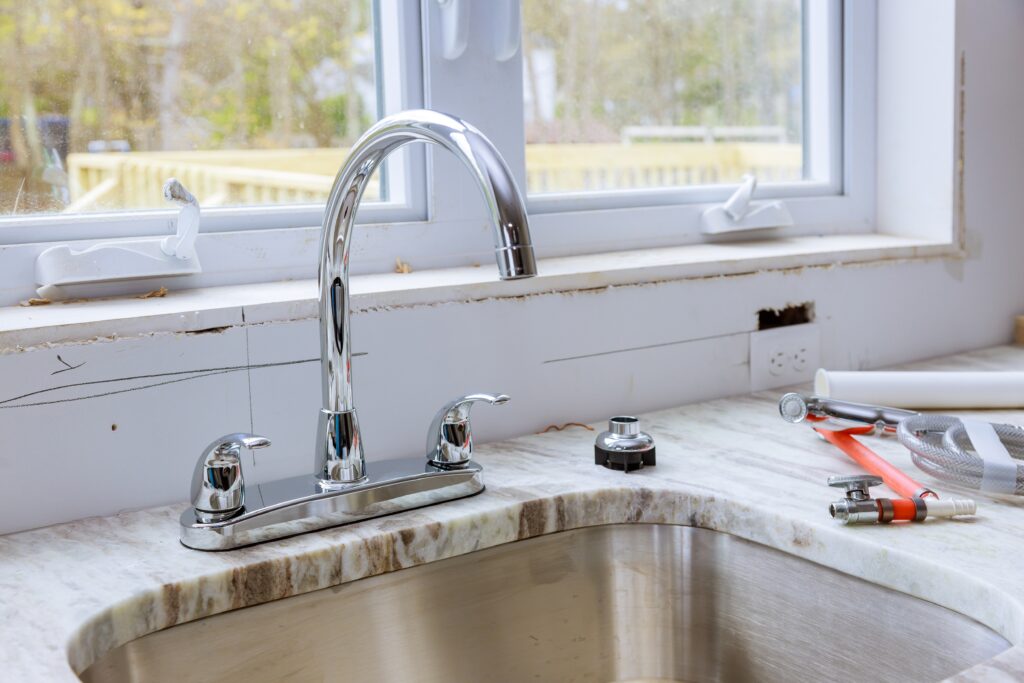
In the bathroom, hair is the number one cause of drain clogs, particularly in the shower and bathtub. A single shower sends a surprising amount of loose hair down the drain, and it doesn’t take long for that hair to form a tangled net that catches soap scum, skin cells, and other debris. Soap itself is also a bigger problem than most people realize. Traditional bar soaps contain talc and other ingredients that leave behind a residue called soap scum, which coats the inside of pipes and narrows the channel available for water to flow through.
Kitchen Drain Habits That Make a Real Difference
The single most impactful thing you can do for your kitchen drain is to stop treating it like a garbage receptacle for cooking byproducts. Grease and oil should never go down the drain under any circumstances. Instead, allow grease to cool and solidify in the pan, then scrape it into the trash. For liquid oils, pour them into a sealable container and dispose of them in the garbage once the container is full. It takes almost no extra effort and eliminates one of the most common sources of kitchen clogs entirely.
Scraping plates and pots into the trash before rinsing them in the sink is another habit that pays dividends over time. Even if you have a garbage disposal, it’s not designed to handle everything that might come off a dinner plate. Fibrous vegetables like celery, artichokes, and asparagus can wrap around the disposal’s blades and cause mechanical issues, while starchy foods can bypass the disposal and build up further down the pipe. Getting into the routine of scraping food scraps into the trash, or better yet, a compost bin, before washing up goes a long way toward keeping your drain clear.
Running hot water down your kitchen drain for a minute or two after doing dishes is a simple practice that helps rinse away any residual grease or soap before it has a chance to cool and stick to the pipe walls. Some homeowners also find it helpful to flush the drain with boiling water periodically to melt away early-stage grease buildup. This isn’t a substitute for proper habits, but it can be a useful supplementary measure for keeping things flowing cleanly.
Using Drain Screens and Strainers Effectively
One of the easiest and most affordable tools in drain clog prevention is a simple drain screen or strainer. These inexpensive devices sit over or inside the drain opening and catch debris before it enters the pipe. In the kitchen, a strainer basket catches food particles that make it past the scraping step. In the shower and bathtub, a hair catcher intercepts loose hair before it goes down the drain. These devices don’t require any installation expertise, cost only a few dollars, and can prevent the majority of debris-based clogs entirely.
The key to getting value out of a drain screen is cleaning it regularly. A screen that’s clogged with hair or food debris isn’t doing its job; it’s just slowing down drainage and creating a mess near the drain opening. Making it a habit to clean your drain screens every few days, or at minimum once a week, keeps them working effectively and takes only a few seconds of effort. It’s a minor task that most homeowners skip until they’re already dealing with a slow drain.
For bathroom sinks, where hair and toothpaste residue tend to accumulate around the pop-up stopper, it’s worth periodically removing and cleaning the stopper itself. Many homeowners don’t realize how much buildup can accumulate on and around that mechanism over time. Removing it, cleaning off the residue, and rinsing it thoroughly before putting it back can noticeably improve drainage in a sink that’s been running slowly.
What to Know About Garbage Disposals and Drain Health
A garbage disposal is a useful appliance, but it’s widely misunderstood. Many homeowners treat it as a catch-all solution for food waste, assuming that if the disposal can grind it up, the drain can handle it. That’s not quite how it works. The disposal reduces food to small particles, but those particles still need to travel through your pipes and out to the sewer. If the wrong things get ground up and sent through, they can still accumulate and cause clogs further down the line.
A few categories of food should never go into a garbage disposal regardless of how powerful the unit is. Hard items like fruit pits, animal bones, and popcorn kernels can damage the blades and motor. Fibrous vegetables can tangle around the grinding components and cause jams. Starchy foods like potato peels expand in water and can create a thick paste in the drain lines. Eggshells, despite a popular myth to the contrary, do not sharpen disposal blades; they break into fine particles that combine with grease to create a gritty, sticky buildup.
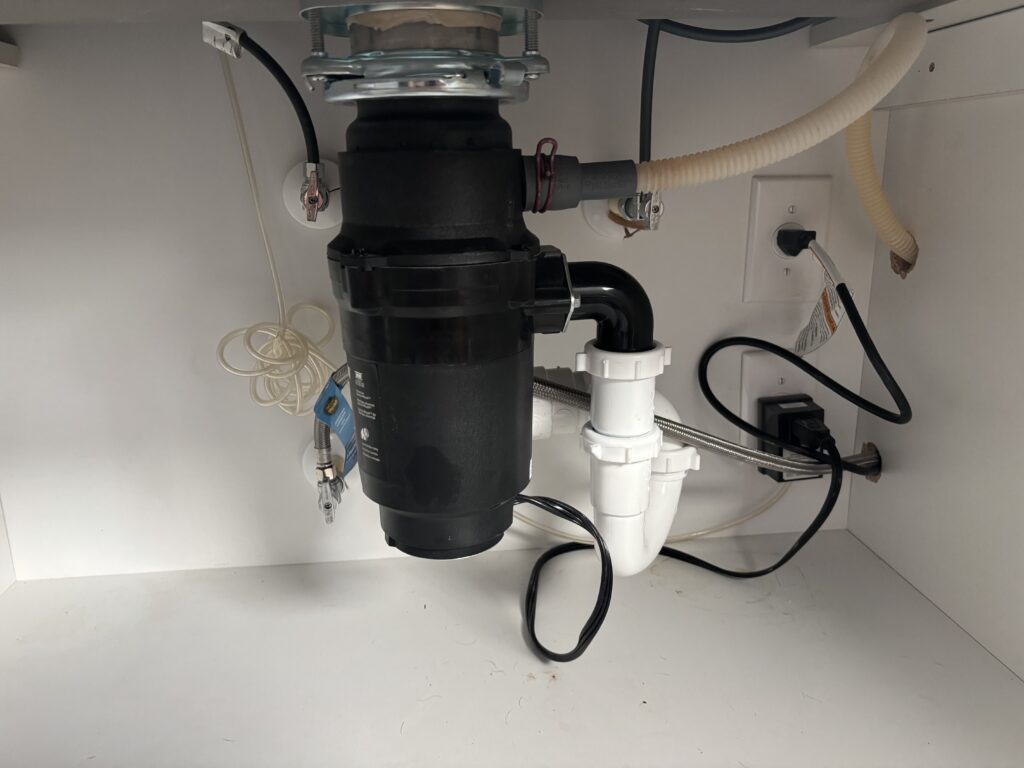
Running cold water while using the disposal and for at least 30 seconds after you turn it off is important for flushing ground-up particles fully through the drain line. Cold water is actually preferable to hot in this case because it keeps any fats in solid form, making them easier to move through the pipe rather than coating the pipe walls in a liquid state. Keeping the disposal clean by occasionally grinding a few ice cubes or running a bit of dish soap through it with the water running can also help prevent odor and buildup inside the unit.
Bathroom Drain Maintenance You Should Be Doing Regularly
In the bathroom, a consistent maintenance routine can keep drains running freely without much effort. Cleaning your shower and tub drain strainer weekly is the most important step. If you don’t have a hair catcher installed, it’s worth adding one; they’re available in styles designed to fit virtually any drain type and are one of the most effective preventive tools available for a very low cost.
Beyond catching hair, it’s helpful to flush bathroom drains with hot water on a regular basis to dissolve soap scum and push residue through the pipe. Some homeowners do this as a monthly habit, running hot water in the shower or tub for several minutes to keep the drain line clear. For bathroom sinks, doing the same thing while also cleaning the pop-up stopper and the area around the drain opening keeps things in good condition.
Enzyme-based drain cleaners are worth knowing about as a maintenance tool. Unlike chemical drain cleaners, which are harsh, corrosive, and can damage pipes over time, enzyme cleaners use natural biological agents to break down organic material like hair, soap scum, and skin cells that accumulate in drain lines. Used monthly as a preventive measure rather than a reactive fix, they can significantly slow the rate of buildup inside your bathroom drains. They’re gentler on pipes, safer for households with children and pets, and better for the environment than their chemical counterparts.
Why Chemical Drain Cleaners Are Not the Answer
It might be tempting to reach for a bottle of chemical drain cleaner at the first sign of a slow drain, and understandably so, they’re widely available, heavily marketed, and seem like a quick fix. The reality is that chemical drain cleaners do more harm than good in most situations. The active ingredients in these products, which typically include highly caustic chemicals like sodium hydroxide or sulfuric acid, generate heat as they work. That heat is effective at dissolving clogs in some cases, but it also degrades the pipe material over time, particularly in older homes with PVC or older metal pipes.
Chemical cleaners also have a poor success rate on the kinds of clogs most commonly found in residential drains. Hair clogs, in particular, are often not fully dissolved; the chemical may eat through enough of the mass to restore some flow, but a significant portion of the clog remains and quickly catches new material. The underlying problem isn’t solved, it’s temporarily masked.
A far better approach to a developing clog is to address it manually or call a plumber before it becomes severe. A drain snake or hair removal tool can pull out a hair clog from a bathroom drain quickly and completely without any chemical use. For kitchen drains, clearing the P-trap is often effective for removing early-stage grease and food buildup. If the clog is deeper in the line or you’re not comfortable tackling it yourself, a professional plumber can clear it properly without the collateral damage that comes with chemical cleaners.
The Role of Professional Drain Cleaning in Clog Prevention
Even with the best habits and preventive measures, some degree of buildup inside drain lines is virtually inevitable over time. Grease accumulates in microscopic layers, soap scum gradually coats pipe walls, and small amounts of debris work their way past even the best drain screens. This is why periodic professional drain cleaning is a worthwhile investment for any homeowner, not just something you do when there’s already a problem.
Professional hydro-jetting, for example, uses high-pressure water to scour the interior walls of drain pipes clean, removing buildup that has accumulated over years and restoring the pipe to near-original flow capacity. It’s far more thorough than anything a homeowner can accomplish with a drain snake or chemical cleaner, and because it doesn’t introduce any harsh substances into the pipe, it’s safe for virtually all pipe types and ages.
Having a plumber inspect and clean your drain lines every year or two, depending on the size of your household and your usage patterns, can prevent the kind of serious blockages that lead to backups, water damage, and emergency calls. It also gives a professional the chance to spot early signs of pipe corrosion, root intrusion, or other developing issues before they become expensive problems.
Preventing clogged drains in your kitchen and bathroom comes down to a combination of mindful daily habits, inexpensive tools, and a commitment to regular maintenance. Keeping grease and food scraps out of the kitchen drain, using hair catchers in the shower, cleaning drain screens consistently, avoiding harsh chemical cleaners, and scheduling periodic professional service are the pillars of a drain care routine that actually works. None of these steps require significant time or expense, but together they can dramatically reduce the likelihood of ever dealing with a serious clog.
At Black Rock Plumbing Company, we’ve helped countless Princeton, TX homeowners deal with stubborn clogs and put better habits in place to prevent them from coming back. Whether you’re dealing with a drain that’s already giving you trouble or you just want to make sure your plumbing stays in top shape, our team is here to help. Give us a call and let us take care of your home’s plumbing the right way.