
What Causes Low Water Pressure in Your Home?
Low water pressure is a common plumbing problem that can affect comfort and daily routines in any home. Tasks like showering, washing dishes, and doing laundry become more difficult when water flow is weak or inconsistent. Many homeowners assume low water pressure is a minor inconvenience, but it can also point to underlying plumbing issues that require attention. Pressure problems can develop gradually or appear suddenly depending on the cause. Understanding what leads to low water pressure helps homeowners identify when professional service is needed. Some causes are simple and easy to correct, while others require a licensed plumber to diagnose and repair. Ignoring low water pressure can lead to further damage within the plumbing system. Addressing the issue early helps maintain proper water flow and prevents more serious problems.
Clogged Pipes and Mineral Buildup
One of the most common causes of low water pressure is clogged pipes. Over time, minerals found in water can build up along the inside of plumbing lines. This buildup reduces the diameter of the pipe and restricts the flow of water. Homes in areas with hard water often experience this issue more frequently. As the buildup increases, water pressure drops and fixtures may not receive enough flow.
Clogged pipes can also be caused by debris such as dirt, rust, or sediment entering the plumbing system. Older pipes are especially vulnerable to internal corrosion, which can further restrict water movement. In some cases, buildup may occur unevenly, causing pressure differences throughout the home. Homeowners may notice stronger pressure in one area and weaker pressure in another.
A licensed plumber can inspect the plumbing system and determine whether pipe cleaning or replacement is needed. Professional solutions such as hydro jetting or repiping can restore proper flow. Addressing clogged pipes early helps prevent further restriction and protects the overall plumbing system.
Leaks in the Plumbing System
Hidden leaks are another major cause of low water pressure. When water escapes from pipes before reaching fixtures, the pressure inside the system drops. Leaks can occur behind walls, under floors, or beneath the foundation of the home. These hidden issues are often difficult to detect without professional equipment.
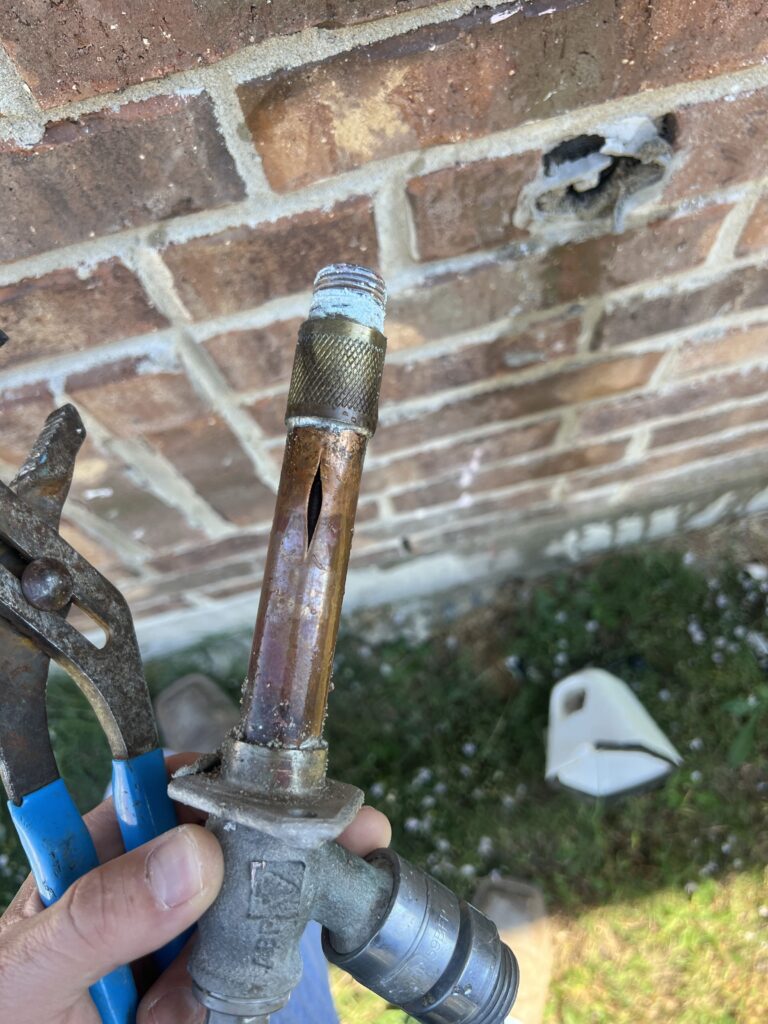
In addition to reduced pressure, leaks can cause water damage and increase utility bills. Homeowners may notice damp areas, unusual sounds, or unexplained moisture. Even a small leak can have a noticeable impact on water pressure over time. As the leak continues, more water is lost and the problem becomes worse.
A professional plumber can perform leak detection to locate the source of the problem. Once identified, repairs can restore pressure and prevent further damage. Fixing leaks quickly helps maintain system efficiency and protects the home from costly repairs.
Issues with the Water Supply Line
The main water supply line connects the home to the municipal water system or a private well. Problems with this line can affect water pressure throughout the entire house. A damaged or partially blocked supply line can restrict the amount of water entering the home.
Tree roots, shifting soil, or aging pipes can cause damage to underground supply lines. These issues often develop gradually and may not be immediately noticeable. Over time, reduced flow from the supply line leads to consistent low pressure across all fixtures. Homeowners may notice that no area of the home has strong water flow.
Repairing a supply line typically requires professional equipment and experience. A licensed plumber can inspect the line and determine whether repair or replacement is needed. Restoring the supply line ensures proper water flow into the home and improves overall pressure.
Faulty Pressure Regulator
A pressure regulator controls the amount of water pressure entering a home from the main supply line. When this device fails, it can cause either high or low water pressure. A faulty regulator often results in a sudden drop in pressure throughout the entire house.
Unlike gradual issues such as buildup or leaks, regulator problems tend to appear quickly. Homeowners may notice that all fixtures are affected at the same time. This type of issue usually requires replacement of the regulator rather than repair. A licensed plumber can test the system to confirm whether the regulator is functioning correctly.
Proper pressure regulation is important for protecting plumbing fixtures and appliances. Installing a new regulator can restore normal pressure and prevent further issues. Addressing regulator problems promptly helps maintain a stable plumbing system.
Problems with Fixtures and Faucets
Sometimes low water pressure is limited to a single fixture rather than the entire home. In these cases, the issue may be caused by a clogged aerator or faulty faucet. Aerators can collect debris and mineral buildup, which restricts water flow at the outlet.
Showerheads and faucets are often exposed to mineral deposits that affect performance over time. Cleaning or replacing these components can often restore proper flow. Homeowners may notice improved pressure after removing buildup from these areas. Regular maintenance helps prevent this issue from recurring.
If multiple fixtures are affected, the problem may extend beyond individual components. A plumber can inspect the system to determine whether the issue is isolated or part of a larger problem. Addressing fixture issues helps improve water flow and overall performance.
Water Heater Issues
Low hot water pressure can sometimes be traced back to the water heater. Sediment buildup inside the tank can restrict the flow of hot water. This often results in normal cold water pressure but reduced pressure when using hot water.
Water heaters rely on internal components to regulate temperature and flow. When these components become worn or blocked, performance can decline. Homeowners may notice that hot water pressure is weaker than cold water pressure at certain fixtures. This imbalance indicates a problem within the water heater system.
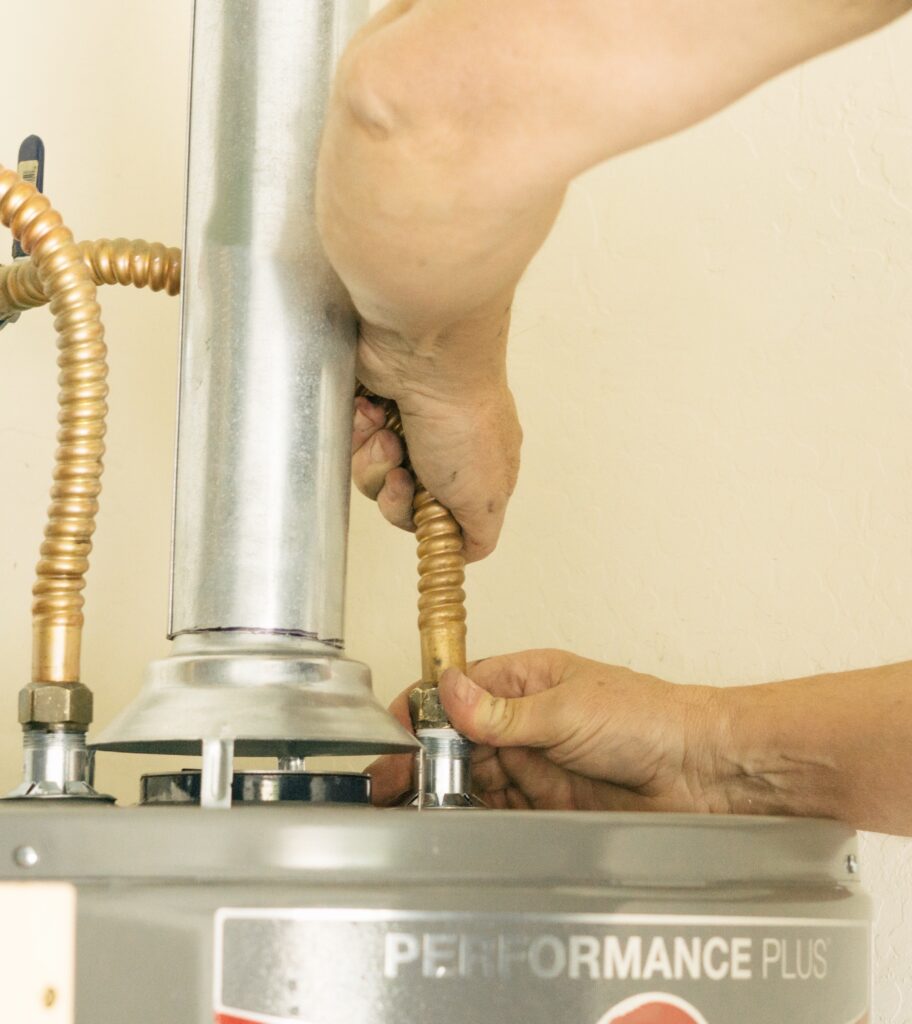
Flushing the tank or servicing the water heater can often resolve the issue. In some cases, replacement may be necessary if the unit is older or heavily worn. Maintaining the water heater helps ensure consistent pressure and reliable hot water.
Municipal Water Supply Problems
Low water pressure can sometimes originate outside the home. Municipal water systems may experience temporary issues that affect pressure in certain areas. Maintenance work, high demand, or system disruptions can all contribute to reduced pressure.
Homeowners may notice pressure changes during peak usage times or when nearby work is being performed. In these cases, the issue is usually temporary and resolves on its own. Contacting the local water provider can help confirm whether the problem is external.
If the issue persists, it may indicate a more serious problem with the water supply. A plumber can help determine whether the issue is within the home or related to the municipal system. Understanding the source of the problem helps guide the correct solution.
Old or Outdated Plumbing Systems
Older homes often have plumbing systems that were not designed to meet modern water demands. Pipes made from outdated materials may corrode or degrade over time. This can restrict water flow and lead to consistent pressure issues.
Repiping may be necessary to restore proper water pressure in these cases. Modern plumbing materials provide better durability and improved flow capacity. Replacing old pipes helps eliminate buildup and internal damage that affects performance.
Upgrading the plumbing system also improves overall reliability and efficiency. Homeowners benefit from consistent water pressure and reduced maintenance needs. Investing in updated plumbing can resolve long term pressure problems.
Low water pressure can be caused by a variety of issues ranging from simple fixture problems to more complex plumbing system failures. Clogged pipes, hidden leaks, supply line damage, and faulty regulators are among the most common causes. Identifying the source of the problem is the first step toward restoring proper water flow. Some issues can be resolved with basic maintenance, while others require professional plumbing service. Ignoring low water pressure can lead to further damage and increased repair costs over time. A licensed plumber can diagnose the issue and provide the correct solution based on the condition of the system. Addressing the problem early helps maintain a reliable plumbing system and ensures consistent water flow throughout the home.