
Signs You Need to Replace the Water Supply Lines in Your Home
Water supply lines are the hidden workhorses of your home, delivering clean water to every faucet, toilet, shower, and appliance you rely on each day. Over time, these pipes wear down from constant pressure, mineral buildup, corrosion, and shifting soil conditions common throughout Princeton, TX and the surrounding areas. Most homeowners never think about their supply lines until a problem becomes severe enough to cause visible damage or a sudden drop in water quality. Recognizing the warning signs early can save you thousands of dollars in repairs, prevent water damage to your flooring and drywall, and keep your family safe from contaminated water. BlackRock Plumbing Company specializes in identifying failing supply lines before they rupture and cause major issues. This guide walks you through the most common signs that your water supply lines need replacement, what causes the deterioration, and why timely action matters for your home.
Common Warning Signs Your Water Supply Lines Need Replacement
Your water supply lines send subtle signals long before they completely fail, and learning to spot these signs gives you a major advantage as a homeowner. Discolored water, low pressure, visible corrosion, and unexplained moisture around pipes all point to deterioration happening inside your plumbing system. Many of these issues develop slowly, which is why annual inspections matter so much for older homes throughout McKinney, TX and Princeton, TX. Ignoring the early signs often leads to burst pipes, water damage, and emergency repair bills that could have been avoided. Catching these problems early gives you the chance to plan a replacement on your timeline instead of reacting to a flooded bathroom or kitchen. The following sections break down the most common red flags every homeowner should know.
Discolored Water Is a Major Warning Sign for Water Supply Lines
Rusty, brown, or yellow water flowing from your faucets is one of the clearest signs that your water supply lines are deteriorating from the inside out. When galvanized steel or older copper pipes begin to corrode, tiny flakes of rust and mineral deposits break loose and travel through the water heading to your fixtures. You might notice the discoloration is worse first thing in the morning or after the water has been sitting in the pipes overnight. Sometimes the water clears up after running for a few minutes, which actually confirms that the rust is coming from inside your supply lines rather than the municipal water source. This problem is especially common in homes built before the 1970s that still have original galvanized piping in place. Drinking, cooking with, or bathing in rusty water can stain fixtures, ruin laundry, and pose health concerns over time. If you see any discoloration, scheduling an inspection should be your next step.
The longer you wait to address discolored water, the more damage the corrosion does to the structural integrity of your supply lines. Rust eats through pipe walls from the inside, creating weak spots that eventually develop pinhole leaks or rupture under normal water pressure. The mineral buildup also restricts water flow, which puts extra strain on your water heater, dishwasher, washing machine, and other appliances connected to the system. You may notice that your appliances start to wear out faster or require more frequent repairs because they are working against compromised water lines. Sediment from failing pipes can also clog aerators on faucets and shower heads, leading to weak spray patterns and frustrating performance issues throughout your home. These small annoyances often signal a much larger problem hiding behind your walls. Replacing the affected supply lines is the only permanent fix.
Different types of discoloration point to different problems within your plumbing system, and understanding the difference helps you communicate clearly with your plumber. Brown or reddish water typically indicates iron corrosion from galvanized or steel pipes. Bluish-green water often means your copper pipes are corroding due to acidic water chemistry. Cloudy or milky water can signal trapped air or mineral saturation, while a metallic taste usually accompanies advanced pipe corrosion. Each of these issues requires a different repair approach, which is why professional diagnosis matters so much. Need help diagnosing discolored water in your home? Click here for our water supply lines service to schedule a thorough inspection with BlackRock Plumbing Company. Our team can pinpoint the source of the problem and recommend the right solution for your specific situation.
Low Water Pressure Points to Failing Water Supply Lines
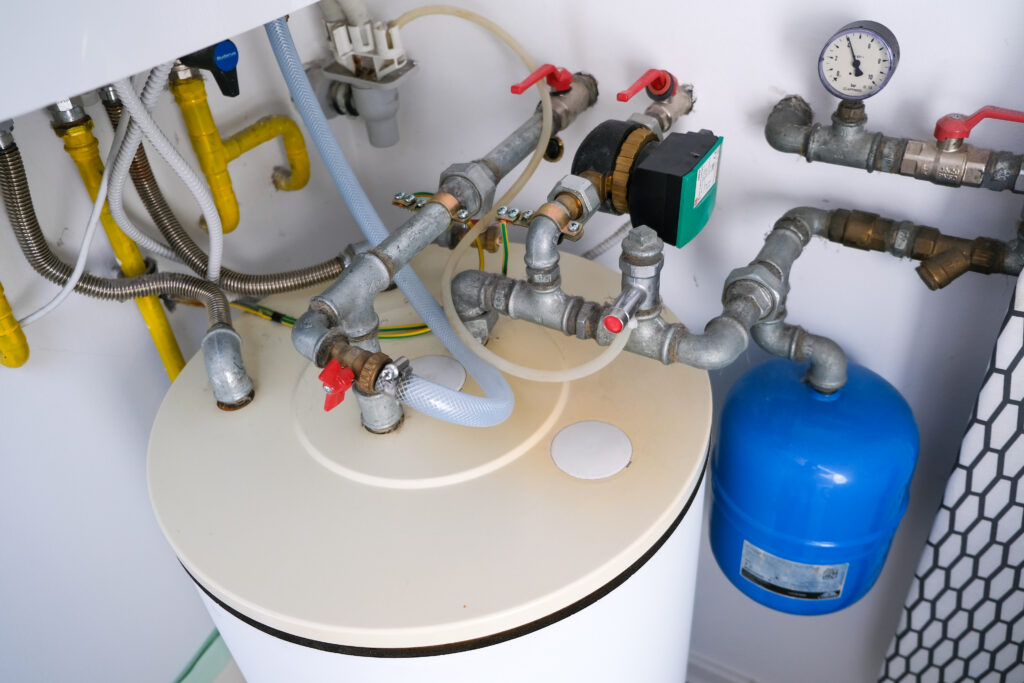
Sudden or gradual drops in water pressure throughout your home almost always trace back to issues with your water supply lines. Mineral buildup, corrosion, and partial blockages reduce the internal diameter of the pipes, which restricts the volume of water that can flow through them at any given moment. You might notice the problem first in your shower, where weak pressure makes rinsing shampoo a frustrating chore. The kitchen sink may take longer to fill pots, and running multiple fixtures at the same time becomes nearly impossible. These issues often start small but progressively worsen as the pipe interior continues to scale up with deposits. Hard water common in Texas accelerates this process dramatically.
Pressure problems caused by failing supply lines do not affect every fixture equally, which is one of the diagnostic clues plumbers look for during an inspection. You might have great pressure in one bathroom and terrible pressure in another, depending on which sections of pipe have the worst buildup or damage. Hidden leaks within the supply lines also reduce pressure because water is escaping into your walls, ceilings, or under your slab foundation before it ever reaches the fixture. This is a serious issue because the water damage can rot framing, ruin insulation, and create mold problems that affect your indoor air quality. Slab leaks in particular cause foundation damage that costs tens of thousands of dollars to repair if left untreated. Catching pressure issues early protects both your plumbing system and your home structure.
Some homeowners try to compensate for low pressure by installing booster pumps or removing aerators, but these workarounds mask the underlying problem rather than fixing it. Forcing more pressure through compromised pipes accelerates the rate of failure and increases the risk of a sudden burst. A proper inspection identifies whether the issue stems from supply line deterioration, a failing pressure regulator, or municipal supply issues outside your home. Once the cause is confirmed, replacing the affected pipes restores full flow and pressure to every fixture in the house. Newer materials like PEX and modern copper resist scaling and corrosion far better than older galvanized pipes ever could. The investment pays off through better daily performance, lower repair costs, and increased home value. Long-term reliability is the goal of any proper repipe job.
Visible Corrosion and Leaks Confirm Water Supply Line Replacement Is Needed
Walking through your basement, crawl space, or utility areas and spotting green, white, or rust-colored buildup on exposed pipes is a clear sign that your water supply lines are nearing the end of their service life. Green stains indicate copper corrosion, while white crusty deposits point to calcium and mineral leaching from joints under pressure. Rust-colored stains on galvanized pipes mean the protective zinc coating has worn through and the steel underneath is actively oxidizing. Any of these visual cues warrant immediate professional evaluation because the deterioration is happening on the inside as well. Once corrosion becomes visible from the outside, the structural integrity of the pipe has already been significantly compromised. Continuing to use these pipes risks a major leak or burst at any moment.
Small leaks around pipe joints, valves, or fittings often start as barely noticeable drips but quickly progress into serious problems if left unaddressed. You might find damp spots on walls, water stains on ceilings, warped flooring, or musty smells coming from areas where pipes run behind drywall. Even a slow leak can release hundreds of gallons of water per month, driving up your water bill while damaging your home in ways you cannot see. Mold and mildew thrive in the moist conditions created by ongoing pipe leaks, creating health concerns for your family. Wood framing, subflooring, and drywall all degrade rapidly when exposed to constant moisture, leading to expensive structural repairs. Addressing leaks at the source by replacing the failing supply lines is always more cost-effective than repeatedly patching the symptoms.
Spotting pipe damage early often comes down to performing simple visual checks a few times each year in the accessible parts of your home. Look under sinks, behind toilets, around your water heater, and in any utility closets where supply lines are exposed. Check for moisture, discoloration, mineral deposits, and any signs of pitting or flaking on the pipe surface. Pay special attention to areas where pipes pass through walls or floors, since these transition points are common failure spots. If you find anything concerning, do not delay in contacting a licensed plumber for a professional assessment. Want a professional leak inspection for your home? Click here for our leak detection service and let BlackRock Plumbing Company find hidden problems before they become emergencies.
Why Old Water Supply Lines Fail and Need Replacement
Understanding why water supply lines fail helps you make smart decisions about repair versus replacement when problems arise. Age, material type, water chemistry, and installation quality all play major roles in how long your supply lines last. Galvanized steel pipes installed before 1970 are now well past their expected lifespan and are failing in homes across Princeton, TX, Allen, TX, and the wider service area. Even copper pipes that once seemed bulletproof can develop pinhole leaks after decades of exposure to mineral-rich Texas water. Knowing the material in your home and its typical lifespan helps you plan ahead instead of reacting to emergencies. The following sections explain the most common reasons supply lines reach the end of their useful life.
Pipe Age and Material Determine Water Supply Line Lifespan
The material your supply lines are made of has the biggest impact on how long they last and when they need to be replaced. Galvanized steel pipes typically last 40 to 60 years, after which the protective zinc coating wears off and the underlying steel corrodes rapidly. Copper pipes have a longer lifespan of 50 to 80 years, but they can fail much sooner if your water has high acidity or contains aggressive minerals. PEX, which is a modern flexible plastic piping, is rated for 50 plus years and resists most of the corrosion issues that plague metal pipes. Polybutylene pipes installed between 1978 and 1995 are notorious for catastrophic failures and should be replaced immediately, regardless of their current condition. Knowing what type of pipe runs through your walls is the first step toward planning a proper replacement.
The age of your home gives you a strong clue about what materials are likely present and how close they are to needing replacement. Homes built before 1970 in the Princeton area often have galvanized steel that should have been replaced years ago. Houses constructed in the 1970s and 1980s frequently used copper, which may still be functional but is approaching the upper limit of its lifespan. Properties built in the 1990s sometimes have polybutylene, which is a ticking time bomb regardless of current visible condition. Newer homes typically use copper or PEX, both of which offer excellent service when installed correctly. If you are unsure what materials are in your home, a quick inspection from a licensed plumber clears up any confusion. This knowledge becomes essential when you are planning renovations or considering selling your property.
Local water conditions in North Texas accelerate pipe failure compared to other regions of the country, which means lifespans on the lower end of the typical range are common in our area. Hard water deposits, chlorinated municipal supplies, and seasonal temperature swings all stress your plumbing system in ways that gradually break down the pipes. Soil composition around foundations also affects how supply lines age, particularly the lines running underground from the meter to your home. Expansive clay soils common in the area shift with moisture changes, putting stress on buried pipes and joints. All of these factors combine to shorten the practical lifespan of even high-quality pipe materials. Regular inspections help you stay ahead of the curve and plan replacements before failures occur.
Corrosion and Mineral Buildup Cause Water Supply Lines to Fail
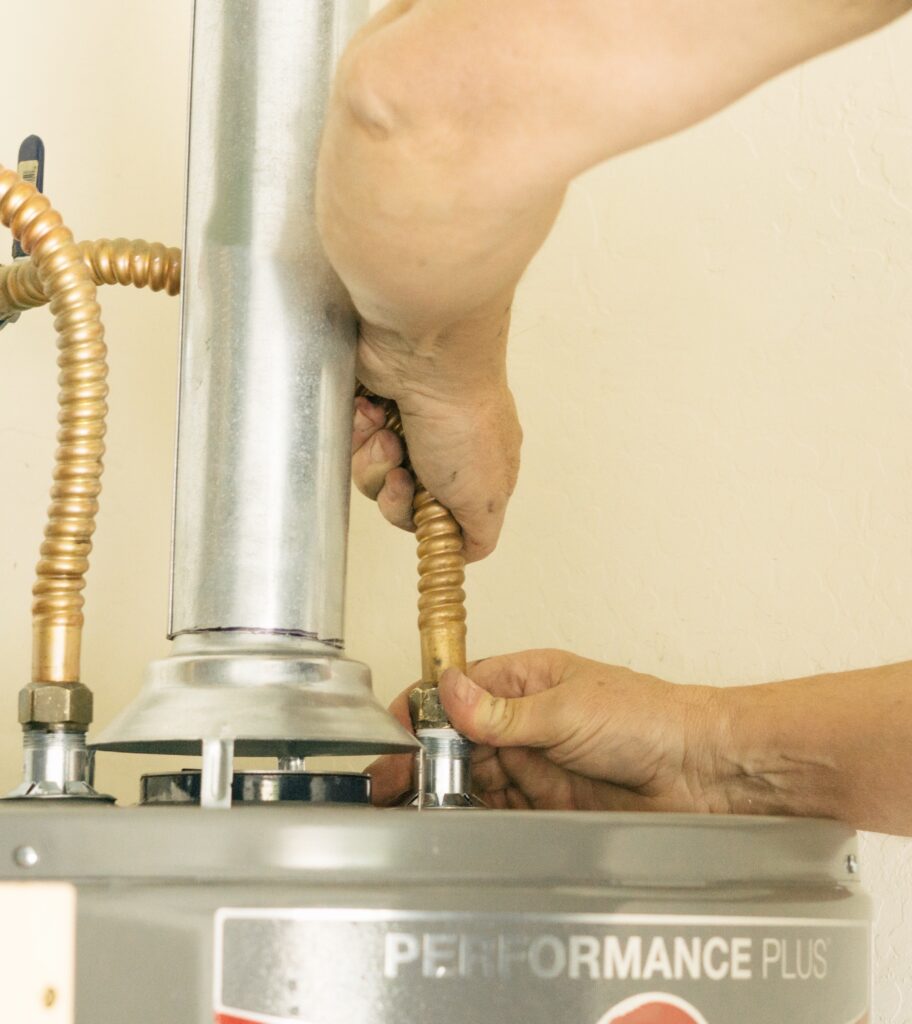
Corrosion is the silent killer of most water supply lines, working slowly from the inside of the pipe where you cannot see it happening. Galvanized steel develops rust pockets that eventually eat through the pipe wall, while copper can suffer from formicary corrosion that creates microscopic tunnels through the metal. The water in your home becomes a slow chemical reaction with the pipe walls, especially when the pH is off or chloramine levels are high. Over decades, these reactions weaken the pipes to the point where they can no longer hold pressure reliably. Pinhole leaks are often the first warning sign that significant corrosion has occurred. Once one pinhole leak appears, others typically follow within months or years.
Mineral buildup compounds the corrosion problem by narrowing the inside diameter of your pipes and creating rough surfaces that trap even more deposits over time. Calcium and magnesium scale layers form a hard crust along pipe walls, choking off water flow and creating pressure differentials that stress weakened areas. These deposits also break loose periodically and travel to your fixtures, where they damage faucet cartridges, clog aerators, and ruin appliance components. Water heaters take a particularly heavy hit because scale settles in the tank and on heating elements, reducing efficiency and shortening the appliance lifespan. A whole-home water filtration or softening system can slow the rate of mineral damage significantly. Combining quality water treatment with regular plumbing maintenance gives your system the best chance at a long service life.
Some pipe materials are far more resistant to corrosion and mineral buildup than others, which is why modern repipe jobs favor PEX or high-quality copper installations. PEX flexes slightly with pressure changes, resists scale formation, and does not corrode under any normal water conditions. Copper, while still vulnerable to acidic water, holds up better than galvanized steel and offers a long service life when paired with proper water chemistry. Choosing the right material for a replacement project depends on your home layout, budget, and local water quality. A licensed plumber can recommend the best option for your specific situation after evaluating your current setup. Investing in quality materials now saves you from repeating the replacement process decades sooner than necessary. Long-term thinking always wins when it comes to plumbing infrastructure.
Hidden Damage Forces Water Supply Line Replacement
Many supply line failures go undetected for months or even years because the damage occurs behind walls, under floors, or beneath your foundation slab. A small leak inside a wall might only show up as a faint stain on drywall, a warped baseboard, or a subtle musty smell that comes and goes. Slab leaks under your foundation are even harder to detect because the water has nowhere visible to escape until major damage has already occurred. By the time you notice warm spots on the floor, cracks in the slab, or unexplained jumps in your water bill, the leak may have been flowing for a long time. The repair costs at this point often include not just the plumbing work but also flooring replacement, drywall repair, mold remediation, and possibly foundation work. Catching hidden damage early prevents this cascade of expensive repairs.
Tree roots, ground shifting, and external impacts also cause hidden damage to underground supply lines running from the municipal connection to your home. Roots seek out moisture and can crack or crush buried pipes over time, especially older clay or galvanized sections. Soil movement from drought, flooding, or construction activity nearby puts stress on rigid pipe materials and can crack them at weak points. Even normal aging causes underground supply lines to deteriorate, and they often fail with no warning at all. Sudden pressure drops, soggy spots in the yard, or unusual sounds from the meter all indicate possible underground supply line damage. Trenchless repair and replacement methods now make these repairs less invasive than traditional dig-and-replace approaches.
Professional leak detection equipment finds hidden problems that homeowners would never spot on their own, including ultrasonic listening devices, thermal imaging cameras, and pressure testing tools. These technologies allow plumbers to pinpoint leaks behind walls without tearing apart your home unnecessarily. Early detection through annual inspections often catches developing problems while they are still cheap to fix. Waiting until a hidden leak becomes obvious almost always means much higher repair costs and far more disruption to your daily life. Need a professional inspection to check for hidden supply line damage? Click here for our water supply lines service and let BlackRock Plumbing Company protect your home with thorough, expert evaluation.
Why You Need Professional Water Supply Line Replacement
Replacing water supply lines is a significant project that requires proper permits, code compliance, and skilled installation to do right the first time. Attempting this work as a DIY project or hiring an unlicensed handyman almost always leads to bigger problems down the road, including failed inspections, insurance issues, and premature repeat failures. A licensed plumber understands local building codes, knows how to work safely within your home, and brings the right materials and tools to complete the job efficiently. Professional installation also comes with warranties that protect your investment over the long term. BlackRock Plumbing Company has spent ten years serving Princeton, TX, McKinney, TX, and the surrounding communities with honest, reliable plumbing service. Choosing the right team for your replacement project matters more than most homeowners realize until something goes wrong.
Professional Water Supply Line Replacement Saves Money Long-Term
Hiring a licensed plumber for your supply line replacement costs more upfront than attempting a DIY fix, but the long-term savings are substantial. Professional installation prevents costly mistakes like improper joint connections, incorrect pipe sizing, and code violations that can lead to failed home inspections during a future sale. Plumbers carry insurance that protects you if anything goes wrong during the installation, while DIY work leaves all the financial risk on your shoulders. Quality workmanship also extends the lifespan of the new pipes by ensuring they are installed under the right conditions with proper support and protection. Cutting corners during installation almost always results in problems showing up within the first few years.
Professional plumbers also identify related issues that DIY homeowners typically miss, such as failing shutoff valves, undersized supply branches, or pressure regulator problems. Addressing all of these issues during the replacement project saves you from multiple service calls later on. Bundling related work also reduces the total disruption to your home, since walls and floors only need to be opened up once instead of repeatedly. Material choices benefit from professional guidance as well, because plumbers know which products perform best in local water conditions. The right combination of pipe material, fittings, and supporting hardware makes a major difference in long-term reliability. All of these factors add up to real savings over the life of your plumbing system.
Energy and water savings also follow a properly installed replacement project, because new pipes deliver better flow without the restrictions that come with corroded older lines. Your water heater works less hard, your appliances run more efficiently, and your monthly utility bills often drop noticeably after a quality repipe job. The improved performance shows up immediately in better shower pressure, faster hot water delivery, and quieter operation throughout the home. These daily benefits make the replacement investment pay off in comfort as well as cost savings. Quality plumbing is one of those upgrades that homeowners notice every single day for years to come.
Professional Water Supply Line Replacement Protects Your Home
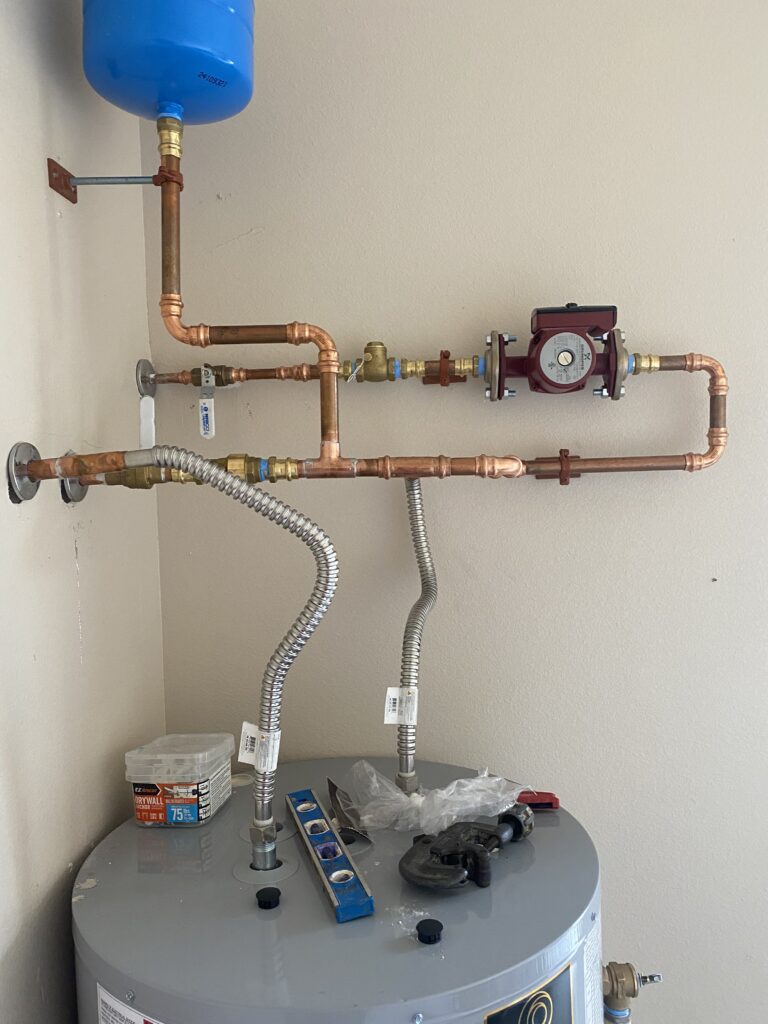
Water damage from a failed supply line can cost tens of thousands of dollars to repair, far exceeding the cost of proactive replacement. A burst pipe behind a wall can dump hundreds of gallons of water into your home in just a few hours, ruining flooring, drywall, insulation, and personal belongings. Mold develops within 24 to 48 hours of any significant water exposure, creating health risks that compound the financial damage. Replacing failing supply lines before they burst eliminates this catastrophic risk and protects everything you have invested in your home. Insurance may cover some water damage, but premiums often increase and coverage may be denied for negligent maintenance.
Professional installation also protects your home structure by ensuring pipes are properly supported, insulated, and routed to avoid common failure points. Pipes that are not adequately supported sag over time and develop stress fractures at the joints. Lines that run through unconditioned spaces need insulation to prevent freezing during winter cold snaps, which can rupture pipes regardless of material. Routing matters too, because pipes installed too close to electrical wiring or HVAC components create safety hazards. A skilled plumber considers all of these factors and installs your new system in a way that maximizes both safety and longevity.
The value of your home also depends on having reliable, modern plumbing in good condition. Home inspections during a sale will flag old galvanized pipes, visible corrosion, or signs of past leaks, often leading to price reductions or failed deals. Buyers want confidence that the plumbing system will not require immediate replacement after they move in. A documented repipe with permits and warranties becomes a major selling point and supports a stronger asking price. Investing in quality work now pays dividends both during your time in the home and when you eventually decide to sell.
Why Choose BlackRock Plumbing Company for Water Supply Line Replacement
BlackRock Plumbing Company brings ten years of hands-on plumbing experience to every supply line replacement project in Princeton, TX, McKinney, TX, and the surrounding communities. We are licensed, insured, and committed to honest plumbing solutions that put integrity at the core of every job. Our team handles everything from initial inspection through final testing, making sure your new supply lines meet code, perform reliably, and look professional when the work is complete. We use proven materials, modern installation techniques, and clear communication throughout the project. Every customer gets the same five-star service regardless of the size of the job.
Emergency situations get our immediate attention with 24/7 service availability for burst pipes, major leaks, and other plumbing crises. We know that water damage gets worse every minute, so we respond quickly to stop the problem and protect your home. Even non-emergency replacement projects get scheduled efficiently so you do not have to live with failing pipes any longer than necessary. Our pricing is straightforward and honest, with no hidden fees or surprise add-ons after the work begins. You always know what you are paying for and why.
The communities we serve trust BlackRock Plumbing Company because we earn that trust on every single job. From small repairs to complete repipes, we treat your home like our own and deliver the kind of workmanship that lasts decades. Our reviews reflect the consistent quality and care we bring to each project, and our repeat customer rate speaks to the relationships we build with the families we serve. Ready to schedule your water supply line replacement or inspection? Click here for our water supply lines service and get started with the team Princeton, TX homeowners trust for reliable plumbing solutions.