
Why Your Toilet Keeps Running and How to Fix It
A running toilet is one of the most common plumbing issues homeowners face, and it often signals a problem inside the tank that needs quick attention. That constant trickle of water wastes gallons every day, drives up your water bill, and can lead to bigger plumbing concerns if ignored. Most running toilet problems come from worn flappers, faulty fill valves, or improper water levels inside the tank. The good news is that many of these issues can be diagnosed with a simple inspection of the tank components. Understanding what causes a toilet to run helps you decide when a quick fix will work and when you need a licensed plumber. At BlackRock Plumbing Company, we help homeowners across Princeton, McKinney, and surrounding Texas communities identify and repair these issues before they turn into costly water damage. This guide walks you through the main causes of a running toilet, how the parts inside your tank work together, and when it is time to call a professional for toilet repair.
What Causes a Toilet to Keep Running Constantly
Several small parts inside the toilet tank work together to control water flow, and when one fails, the toilet runs nonstop. The most frequent culprits include a warped flapper, a stuck fill valve, a chain that is too short or too long, or a float set at the wrong height. Hard water, mineral buildup, and age all contribute to the breakdown of these parts. A toilet that runs for more than a minute after flushing usually points to one of these issues. Identifying the source starts with removing the tank lid and watching how each part moves during and after a flush. Quick inspection often reveals the problem within minutes.
A Worn Flapper Causes a Toilet to Keep Running
The flapper is the rubber seal at the bottom of the tank that lifts when you flush and drops back down to stop water flow. Over time, the rubber hardens, warps, or develops mineral deposits that prevent a tight seal. When the flapper does not seal correctly, water from the tank leaks into the bowl continuously; this causes the fill valve to activate over and over. You can test the flapper by adding a few drops of food coloring to the tank and waiting about ten minutes without flushing. If color appears in the bowl, the flapper is leaking and needs to be replaced.
Replacing a flapper is one of the simpler fixes for a running toilet, but you must match the new flapper to your toilet model. Universal flappers fit many tanks, though some brands require a specific size or shape for proper sealing. Before installing a new flapper, shut off the water supply valve behind the toilet and flush to empty the tank. Clean the flush valve seat with a soft cloth to remove any mineral buildup that might prevent the new flapper from sealing tightly.
If you replace the flapper and the toilet still runs, the issue may be with the flush valve itself or the chain connecting the flapper to the flush handle. A chain that is too tight holds the flapper open slightly, while a chain that is too loose can get caught under the flapper. Adjusting the chain so it has just a small amount of slack usually solves this problem. When flapper replacement does not stop the running water, it is time to look at other components inside the tank. Need help with toilet repair? Click here for our toilet repair service.
A Faulty Fill Valve Causes a Toilet to Keep Running
The fill valve controls how much water enters the tank after each flush, and a worn or damaged fill valve will keep sending water into the tank even when it is full. This often produces a hissing sound or a constant trickle of water into the overflow tube. Fill valves wear out from mineral buildup, sediment in the water supply, or simple age. Most fill valves last around five to seven years before they need replacement. A fill valve that will not shut off completely is a clear sign that repair or replacement is needed.
To check the fill valve, lift the tank lid and flush the toilet while watching the valve operate. It should fill the tank to the correct water line and then shut off completely. If water keeps flowing after the tank reaches the proper level, the valve is not closing as it should. Sometimes cleaning the valve resolves the issue, but more often the internal seals have worn out and the whole unit needs replacement. Modern fill valves are affordable and install with basic tools.
Installing a new fill valve requires turning off the water supply, disconnecting the supply line, and removing the old valve from inside the tank. The new valve must be adjusted to the correct height so the water level sits about one inch below the top of the overflow tube. Incorrect adjustment can lead to water spilling into the overflow tube, which creates the same running toilet problem you were trying to fix. When a fill valve replacement feels outside your comfort zone, a licensed plumber can handle the job quickly and make sure the installation meets local plumbing codes.
An Incorrect Water Level Causes a Toilet to Keep Running
When the water level in the tank is set too high, water flows into the overflow tube and down into the bowl in a continuous stream. This creates the same running sound as other toilet problems but comes from a different source. The float controls the water level, and over time floats can become waterlogged, misaligned, or damaged. Older toilets use a ball float on a metal arm, while newer models typically use a cup-style float that slides up and down the fill valve shaft. Both types can be adjusted to set the correct water level.
To check the water level, remove the tank lid and look at the waterline inside the tank. The water should sit about one inch below the top of the overflow tube. If it is higher than that, you need to lower the float. For a ball float, gently bend the metal arm downward or turn the adjustment screw on top of the fill valve. For a cup float, pinch the adjustment clip and slide the float down along the shaft.
Sometimes the float itself is the problem. A ball float that has cracked or filled with water will sink and prevent the fill valve from shutting off. In that case, you need to replace the float or the entire fill valve assembly. If adjusting the water level does not stop the running sound, check the other components in the tank before assuming the problem is fixed. A professional plumber can diagnose the exact cause when multiple parts seem to be involved.
How to Fix a Running Toilet Before Calling a Plumber
Many running toilet issues can be addressed with basic tools and a little patience, and knowing which repairs to try first saves time and money. Start by identifying which component is causing the problem, then work through the repair step by step. Always shut off the water supply before opening the tank or removing parts. Keep track of how each piece connects so reassembly goes smoothly. If a repair does not solve the issue or the toilet continues to run, that is a signal to call a licensed plumber.
Fixing a Running Toilet Starts With Inspecting the Flapper
Begin your toilet repair by shutting off the water supply at the valve behind the toilet, then flush to drain the tank. Reach inside and inspect the flapper for cracks, warping, or mineral buildup around the edges. A flapper that looks stiff, discolored, or misshapen should be replaced. Unhook the flapper from the flush valve and remove the chain from the flush handle lever. Bring the old flapper to the hardware store so you can match it to a new one of the same size and style.
Install the new flapper by attaching it to the flush valve pegs and reconnecting the chain to the handle lever. Make sure the chain has about half an inch of slack when the flapper is closed. Too much slack prevents a full flush, while too little slack holds the flapper slightly open and causes running water. Turn the water supply back on and let the tank fill completely. Flush the toilet a few times to confirm the new flapper seals properly and the tank refills without continuing to run.
Test for a good seal by adding food coloring to the tank water and waiting ten minutes. If the bowl water stays clear, the flapper is doing its job. If color appears in the bowl, the flapper still is not sealing correctly and you may need to clean the flush valve seat or replace the flush valve itself. A damaged flush valve requires removing the tank from the bowl, which is a more involved repair. At that point, calling a professional plumber saves time and prevents accidental damage.
Fixing a Running Toilet Includes Adjusting the Fill Valve
If the flapper is in good shape but the toilet still runs, turn your attention to the fill valve. Look for water running into the overflow tube, which indicates the tank water level is too high. Adjust the float downward using the method appropriate for your fill valve type. Flush the toilet and watch the water level rise to make sure it stops about one inch below the top of the overflow tube. Small adjustments often solve the problem without any parts replacement.
When adjusting the float does not help, the fill valve may need to be replaced. Shut off the water supply and disconnect the supply line from the bottom of the tank. Remove the lock nut that holds the fill valve in place and lift the old valve out of the tank. Install the new valve by reversing these steps, then adjust the height according to the manufacturer instructions. Most modern fill valves have height adjustment rings that make this step easy.
After installing the new fill valve, turn on the water and let the tank fill. Check for leaks around the supply line connection and the base of the valve inside the tank. Flush the toilet several times to confirm the valve shuts off completely each time. If you hear any hissing or see water still trickling into the bowl, double-check your adjustments and connections. Sometimes a new fill valve has a defect and needs to be exchanged; this is rare but worth considering if the new valve does not work correctly right out of the box.
Fixing a Running Toilet Means Checking All the Small Parts
Beyond the flapper and fill valve, a few smaller parts inside the tank can cause running water issues. The flush handle and lever arm can stick in the down position, holding the flapper open and draining the tank. A chain with kinks or tangles can also prevent the flapper from closing fully. Inspect these parts while the tank is open and make any adjustments needed. Replacement handles and chains are inexpensive and easy to install.
The overflow tube itself can develop cracks, especially in older toilets where plastic has become brittle over time. A cracked overflow tube allows water to leak into the bowl even when all other components are working correctly. Check the tube by looking for hairline cracks or water seeping from unexpected spots. A cracked overflow tube usually means replacing the entire flush valve assembly, which again is a job better suited for a licensed plumber.
Sometimes the problem is not inside the tank at all but with the water supply line or shut-off valve. A shut-off valve that does not close completely can allow a small amount of water to keep entering the tank. Worn supply lines can also leak or fail to seal properly, causing similar symptoms. If you have checked every part inside the tank and the toilet still runs, the next step is to look at the connections behind the toilet. Need a plumber to take a closer look? Click here for our toilet repair service.
Why You Need a Licensed Plumber for Persistent Toilet Problems
A running toilet might seem like a small issue, but it wastes hundreds of gallons of water each month and signals that parts inside your toilet are failing. When basic repairs do not stop the running water, a licensed plumber can diagnose deeper problems and make sure repairs meet local plumbing codes. Professional plumbers also spot related issues that homeowners often miss, like slow leaks, damaged supply lines, or worn shut-off valves. At BlackRock Plumbing Company, we bring ten years of experience to every toilet repair call. Our goal is to fix the problem the first time so you do not have to deal with repeat issues.
A Licensed Plumber Solves Persistent Toilet Problems Quickly
Professional plumbers carry the tools and replacement parts needed to handle any toilet repair on the spot. We diagnose the issue through a systematic inspection of the tank, bowl, supply line, and shut-off valve. This thorough approach means we catch problems that a quick DIY fix might miss. Our plumbers are trained to work with every major toilet brand and model, so we match replacement parts correctly the first time. Fast, accurate repairs keep your water bill low and prevent water damage.
When a toilet issue involves more than just a simple part replacement, experience matters. Removing a tank, replacing a flush valve, or addressing a cracked toilet base requires specific skills and tools. A licensed plumber handles these jobs safely without risk of damaging the porcelain or connected plumbing. We also make sure every repair meets Texas plumbing codes, which protects your home and keeps your plumbing system safe. Proper repairs today prevent expensive problems down the road.
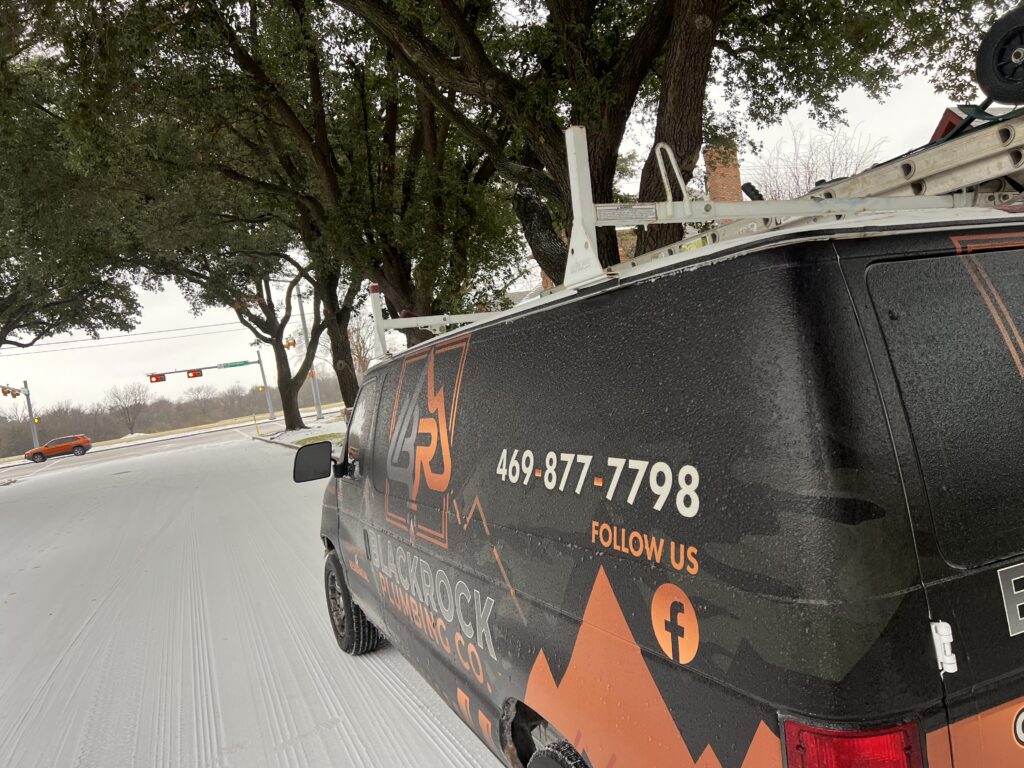
Our team stays ready to respond to toilet repair calls throughout Princeton, McKinney, and surrounding communities. We arrive on time with a fully stocked service vehicle, which means most repairs are completed in a single visit. This saves you from scheduling follow-up appointments or waiting days for parts to arrive. When your toilet keeps running and simple fixes are not working, professional help is the fastest path to a reliable repair.
A Licensed Plumber Prevents Future Toilet Problems
Beyond fixing the immediate issue, a professional plumber inspects your toilet and surrounding plumbing for signs of future trouble. We check the supply line for bulges or kinks that might fail soon. We test the shut-off valve to confirm it works correctly in case of an emergency. We also look for small leaks around the base of the toilet, which can lead to subfloor damage over time. This preventive approach saves money by catching problems early.
Regular toilet maintenance keeps your plumbing running smoothly and extends the life of your fixtures. A plumber can recommend a replacement schedule for parts that wear out predictably, like flappers and fill valves. We also suggest upgrades when older toilets use more water than newer efficient models. Modern toilets use less than two gallons per flush compared to older models that use three or more gallons. Upgrading can pay for itself in water bill savings within a few years.
Annual plumbing inspections help homeowners stay ahead of problems in every room of the house, not just the bathroom. Our team checks water heaters, drains, supply lines, and fixtures during a complete inspection. This comprehensive service identifies small issues before they become emergencies. Catching a slow leak or a failing valve early protects your home from costly water damage. Want to learn more about our full range of plumbing services? Click here for faucet and toilet installation options.
Why Choose BlackRock Plumbing Company for Toilet Repair
BlackRock Plumbing Company has served Princeton, McKinney, and surrounding Texas communities with honest, reliable plumbing work for ten years. We are licensed and insured, and we offer 24/7 emergency plumbing service for urgent repair calls. Our plumbers arrive in clearly marked vehicles, respect your home, and explain every repair in plain language. We never push unnecessary services or inflate the scope of a job. Our focus is on fixing the problem correctly and moving on so you can get back to your day.
Our 5-star reputation comes from consistent, high-quality work that homeowners can count on. We price our services fairly and provide clear estimates before any work begins. Emergency calls receive the same level of attention as scheduled appointments. When you call BlackRock Plumbing Company, you get a licensed professional who takes pride in doing the job right. This commitment to quality is why so many families in the area trust us for all their plumbing needs.
Serving communities within a 25-mile radius of Princeton, we cover areas including McKinney, Allen, Frisco, Plano, Prosper, Melissa, Anna, Wylie, and more. Our local presence means fast response times and familiarity with the plumbing systems common to homes in this area. Call BlackRock Plumbing Company at (469) 877-7798 or email john.w@blackrockplumbingco.com to schedule your toilet repair. Honest plumbing solutions with integrity at the core is more than a slogan; it is how we approach every call. We look forward to earning your trust.