
How to Tell If Your Water Heater Is About to Fail
A reliable water heater is one of the most important systems in any home. Hot water is used every day for bathing, cooking, cleaning, and laundry, so even a small issue can quickly disrupt daily routines. Many homeowners do not think about their water heater until it stops working, but most systems show warning signs before they fail completely. Recognizing these signs early can help prevent unexpected breakdowns, water damage, and emergency plumbing repairs. A failing water heater can also become less efficient over time, leading to higher energy costs and inconsistent performance. Understanding what to look for allows homeowners to take action before the problem gets worse. Paying attention to changes in performance, sound, and water quality can help identify issues early. Addressing these problems with a licensed plumber can extend the life of the system or confirm when replacement is needed.
Inconsistent or Insufficient Hot Water
One of the first signs of a failing water heater is inconsistent or insufficient hot water. Homeowners may notice that hot water runs out faster than usual or that the temperature fluctuates during use. This can make simple tasks like showering or washing dishes frustrating and unreliable. When a water heater struggles to maintain a steady supply of hot water, it often indicates internal wear or reduced heating efficiency.
In many cases, this issue is caused by sediment buildup inside the tank. Over time, minerals from the water settle at the bottom of the tank and create a barrier between the heating element and the water. This reduces the system’s ability to heat water effectively and can lead to uneven temperatures. As the buildup increases, the system has to work harder to produce the same results, which puts additional strain on internal components.
Another possible cause is a failing heating element or thermostat. These components control how the water is heated and maintained at a specific temperature. When they begin to fail, the water heater may not reach the desired temperature or may shut off prematurely. A professional inspection can determine the exact cause and whether repair or replacement is the best option.
Strange Noises Coming from the Water Heater
Unusual sounds coming from a water heater are another clear warning sign of potential failure. Many homeowners report hearing popping, banging, or rumbling noises coming from the unit. These sounds are often caused by hardened sediment inside the tank, which shifts and reacts as the water is heated.
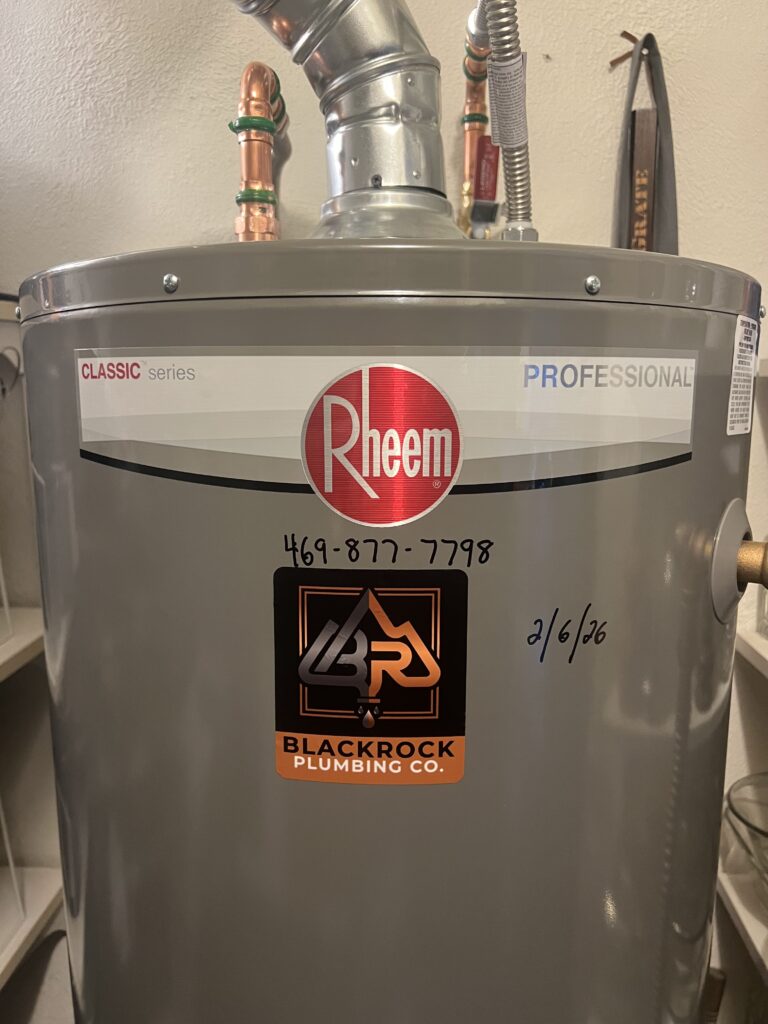
As sediment builds up, it creates pockets where water becomes trapped beneath the surface. When the water heats up, it produces steam that forces its way through the sediment layer, causing loud popping or banging noises. This repeated process can damage the interior lining of the tank and reduce the overall lifespan of the water heater.
In addition to sediment buildup, noise can also indicate pressure issues or internal component wear. A water heater that makes frequent or loud noises should be inspected by a licensed plumber. Ignoring these sounds can lead to more serious problems, including tank failure or leaks. Addressing the issue early can help prevent further damage and restore proper function.
Visible Leaks or Moisture Around the Unit
Water pooling around the base of a water heater is a serious sign that the system may be failing. Even small leaks can indicate a larger problem inside the tank or with the connections. Over time, corrosion can weaken the tank and lead to cracks or holes that allow water to escape.
Leaks can also occur at connection points such as inlet and outlet pipes, valves, or fittings. While some of these issues may be repairable, a leaking tank itself usually requires replacement. Water heaters are designed to hold pressurized water, and once the tank is compromised, it cannot be safely repaired.
Moisture around the unit can also lead to additional problems within the home. Water damage can affect flooring, walls, and nearby structures if the leak is not addressed quickly. Mold growth is another concern when moisture is left untreated. Homeowners who notice any signs of leaking should contact a plumber immediately to assess the situation and prevent further damage.
Discolored or Rusty Hot Water
Changes in water quality can also signal problems with a water heater. If hot water appears rusty, cloudy, or discolored, it may indicate corrosion inside the tank. Over time, the interior lining of the water heater can begin to break down, allowing rust to mix with the water supply.
This issue is often related to a failing anode rod, which is designed to protect the tank from corrosion. When the anode rod is worn out, the tank becomes more vulnerable to rust and deterioration. Replacing the anode rod can sometimes extend the life of the water heater, but if corrosion has already spread, replacement may be necessary.
Discolored water can also affect the quality of water used throughout the home. It may stain fixtures, damage appliances, and create an unpleasant experience for homeowners. A professional inspection can determine whether the issue is isolated to the water heater or related to the plumbing system. Addressing the problem early helps maintain clean and safe water.
Decreased Energy Efficiency and Rising Utility Bills
A failing water heater often becomes less efficient as it ages. Homeowners may notice an increase in energy bills without a clear explanation. This is often due to the system working harder to heat water as internal components wear down or sediment buildup reduces efficiency.
As the water heater struggles to perform, it may run longer cycles or require more energy to maintain the desired temperature. This added strain not only increases operating costs but also accelerates wear on the system. Over time, the cost of continued operation may outweigh the cost of replacement.
Energy efficiency is an important factor for homeowners who want to manage utility expenses. A newer water heater can provide improved performance and reduced energy consumption. Recognizing when an older unit is no longer efficient can help homeowners make informed decisions about replacement.
Age of the Water Heater
The age of a water heater is one of the most reliable indicators of potential failure. Most traditional tank water heaters have a limited lifespan that depends on usage, maintenance, and water quality. As a system reaches the end of its expected lifespan, the risk of failure increases significantly.
Older water heaters are more likely to experience issues such as leaks, reduced heating capacity, and internal corrosion. Even if the system is still functioning, it may not be operating efficiently or reliably. Homeowners should consider the age of their water heater when evaluating performance issues.
Regular maintenance can extend the life of a water heater, but it cannot prevent eventual failure. Knowing the age of the system allows homeowners to plan for replacement before a sudden breakdown occurs. Proactive replacement can help avoid emergency situations and ensure continuous hot water.
Frequent Repairs and Ongoing Issues
A water heater that requires frequent repairs is often nearing the end of its lifespan. While occasional maintenance is normal, repeated service calls can indicate deeper problems within the system. Homeowners may find themselves dealing with the same issues multiple times over a short period.
Frequent repairs can become costly and inconvenient. Each repair may provide only a temporary solution if the underlying problem is not addressed. Over time, the cost of repairs can add up and exceed the value of replacing the unit.
A licensed plumber can evaluate whether continued repairs are worthwhile or if replacement is the better option. Investing in a new water heater can provide more reliable performance and reduce the need for ongoing maintenance. Homeowners benefit from a system that operates consistently without repeated issues.
Recognizing the signs of a failing water heater can help homeowners avoid unexpected breakdowns and costly damage. Issues such as inconsistent hot water, unusual noises, leaks, and discolored water often indicate that the system is nearing the end of its lifespan. Paying attention to these warning signs allows homeowners to take action before the problem becomes more serious. Regular inspections and maintenance can help identify issues early and extend the life of the system. When a water heater begins to show multiple signs of failure, replacement is often the most reliable solution. A licensed plumber can assess the condition of the system and recommend the best course of action. Addressing water heater problems early helps ensure a consistent supply of hot water and protects the home from potential damage.